

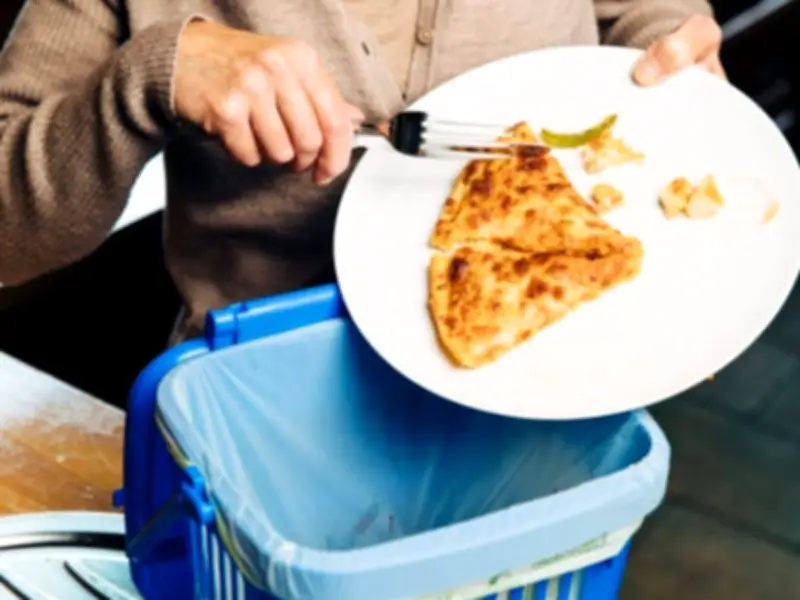
Under the Simpler Recycling guidance issued by the Department for Environment, Food and Rural Affairs (Defra), waste collectors are now required to collect food and garden waste separately from other recyclables. Starting 31 March, households must ensure they do not place prohibited items in their food waste caddies, or risk having their bins left uncollected.
Delayed Implementation and Compliance
A BBC investigation revealed that many councils failed to meet the 31 March deadline. Roughly half of councils were not collecting food waste weekly before the new legislation, although some have had such collections in place for over a decade. As more local authorities begin enforcing the rules, households are reminded that placing incorrect items in the food caddy will result in non-collection.
11 Items Banned from Food Caddies
The following 11 items are banned from food waste bins: any plastic, any glass, any metal, excess liquids, oils, fats, soups, drinks, nappies, garden waste, and any other general household waste. These items cannot be placed in the small kitchen caddy designated for food waste.

Expert Advice on Recycling
Claire Shrewsbury, director of insights and innovation at Wrap, said the new rules would ensure consistent services across homes, workplaces, and public spaces. She stated: "We're a nation of recyclers, but most households put two or more items in the rubbish each week that could be recycled - because of confusion. Food waste is where we'll see the big win. It's difficult to prevent all food waste and so recycling one kitchen caddy of unavoidable food waste could power your fridge for 18 hours, and a whole truck would keep that fridge cool for five years."
Ashley, a refuse collector from the south east of England, offered a practical tip: "If you leave waste for a couple of days, it sticks to the bottom. Then you're the one having to scoop it out. Most councils allow you to use newspaper at the bottom of your food recycling."
Impact on Households
With the rollout of the new regulations, households are encouraged to familiarise themselves with the banned items to avoid contamination and ensure their food waste is properly recycled. By following the rules, residents can contribute to reducing landfill waste and supporting the environment.

