

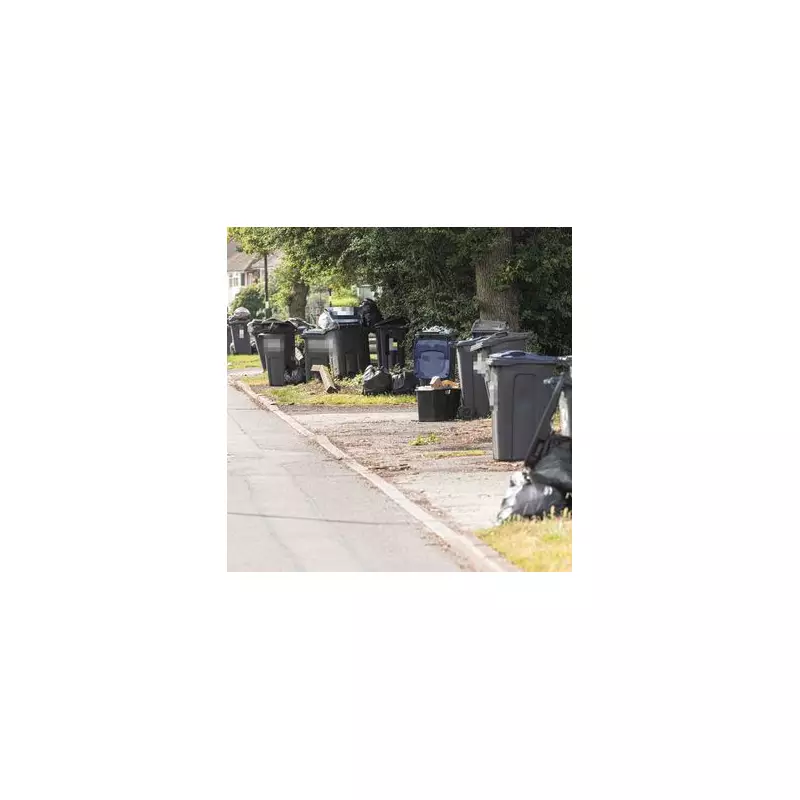
Birmingham residents are set to experience the most significant change to their bin collections in a quarter of a century, as the city council finalises plans for a sweeping waste service transformation. The long-awaited overhaul, now scheduled to begin in June 2026, will shift household rubbish collections from weekly to fortnightly while introducing new weekly food waste pickups and an extra recycling bin.
What Changes Are Coming to Birmingham's Bin Collections?
The Labour-run council, which has faced severe financial challenges, states the shake-up is essential to improve reliability, boost recycling rates, and achieve crucial savings. The core change will see general household waste collected every two weeks instead of weekly, a move that has already drawn criticism from opposition councillors.
To compensate, a new weekly food waste collection service will be rolled out, with households receiving two caddies – one for indoor use and a larger one for outside. Furthermore, residents will get a second recycling bin dedicated solely to paper and cardboard, with mixed recycling also collected fortnightly.

Cabinet Member for Environment, Councillor Majid Mahmood, addressed concerns about the reduced frequency of general waste collections. "I know some residents are concerned," he said. "But this will not be introduced until we have the food waste collections, meaning people will have less general waste."
Phased Rollout Timeline and Strike Impact
The implementation will be extensive and phased, expected to take around twelve months from its start date. The council has confirmed the changes will commence in June 2026 "regardless of the strike situation", referring to the ongoing industrial action by bin workers which has disrupted services and cost the council an estimated £14 million.
Approximately 20,000 households at a time will be moved onto the new service in fortnightly blocks. The rollout will be organised depot-by-depot, beginning with the Perry Barr area, followed by Lifford in south Birmingham, and then Atlas in Tyseley.
A council report outlines a three-month initial phase focusing on workforce mobilisation and resident communication, followed by a nine-month period for full rollout and service reintegration. However, some residents, including those in flats above shops, may not see the changes until 2027, as the initial rollout is for kerbside properties only.
Recycling Restart and Political Reaction
A key component of the transformation is the promised reintroduction of recycling collections, which have been suspended across the city since February 2025. Councillor Mahmood emphasised the goal is to radically improve Birmingham's historically low recycling rates. "We want to exceed the 65 per cent target that’s been set by the government for recycling for 2035," he stated.
Opposition councillors have expressed deep scepticism about launching a new system amid current turmoil. Conservative group leader, Councillor Robert Alden, said: "Residents will rightly ask how on earth Labour can justify pushing ahead with a completely new waste system when they can’t even get the current one working."
Councillor Rob Pocock, the Labour cabinet member overseeing the transformation, defended the plans as the "biggest transformation in our household waste collection service for at least 25 years" that will "finally bring to an end this city’s woefully underperforming recycling service." The council has pledged extensive communication with residents to prepare them for the changes hitting their streets.

