

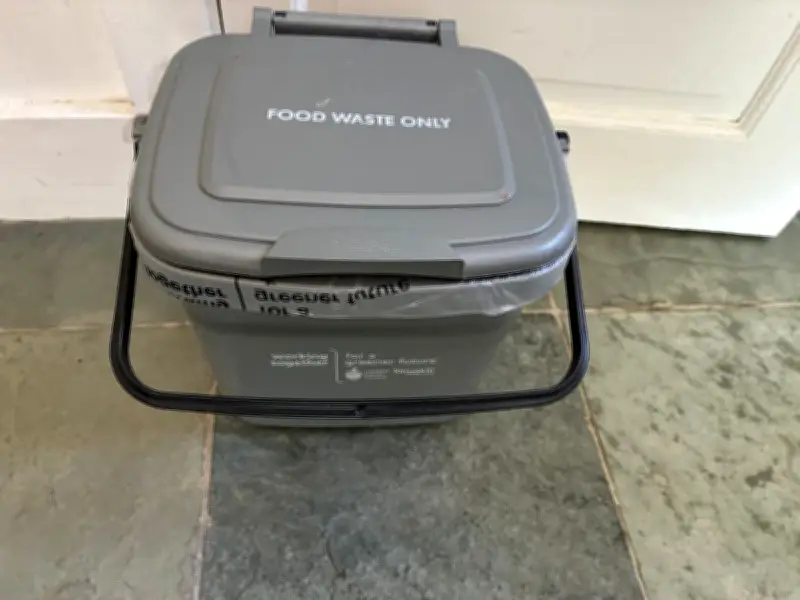
Across England, new food waste collection rules have come into force, requiring weekly household collections of food waste as part of the government's Simpler Recycling reforms. While many councils have faced delays, millions of homes are now using the new food caddies. However, bin collectors are warning that incorrect items will lead to the caddy not being emptied.
"Incorrect items mean your bin won't be emptied," a council service said. The service advised that all packaging must be removed before disposal. The seven items that should not be placed in the food waste caddy are: no packaging, oils, liquids, animal waste, bedding, flowers, and non-food items.
What You Can Put in Your Food Waste Bin
Despite these restrictions, a wide range of food waste is accepted. The service explained: "From tea bags to plate scrapings, to meat and fish bones, no matter how small, it can be recycled through the new food waste service. Just remove any packaging, and pop it into the caddy. We can also collect non-compostable items, such as bones and skin, or cooked and uncooked meats!"

Acceptable items include: meat (including bones), fish and shellfish, dairy products such as cheese and yoghurt, cooked and uncooked vegetables and fruit including peelings, bread, cakes and pastries, rice, pasta and beans, plate scrapings, tea bags and coffee grounds, eggshells, solid fats, pet food, and mouldy and out-of-date food.
Cost-Saving Liner Tips
While some local authorities provide free biodegradable bags, many require residents to buy their own once the initial supply runs out. At around £2 for a roll of 20, the recurring cost has left many households frustrated. However, depending on your local authority, there may be a free way to line your food caddy.
Darlington Borough Council (DBC) shared a money-saving tip on Facebook: you can line your food caddy with almost any standard plastic bag, everyday bin liner, or even newspaper. DBC explained: "Did you know you can use any plastic bag, bin liner or even newspaper to line your food caddy? When you have run out of the free biodegradable liners we provided with your caddy, there are a number of things you can use."
These include: a plastic bag (it doesn't have to be biodegradable as the bags are removed at the treatment plant – even an old bread bag can work), bin liners (most supermarkets sell small liners, again they don't have to be biodegradable), and newspaper – just be aware you will need to clean your outside bin after it is emptied to prevent smells.
DBC added: "Thank you for all your efforts in recycling your food waste - we are collecting more tonnes of recycling each week which is all waste that is avoiding landfill. Food waste is turned into energy to power homes and businesses, fuel and fertiliser for local farms. Your waste really can do wonders!"
How the Technology Works
If you use a regular plastic bag, it doesn't end up in the compost. According to the City of Lincoln Council, specialised machines at anaerobic digestion plants rip open and remove the plastic bags before the food waste is processed. It explained: "At the processing plant, the first step is to remove the bags using a specialised machine, allowing you to use any bag as a liner. After they have been removed at the anaerobic digestion plant, the bags are sent to the Energy from Waste facility, where they’re used to generate energy. They would normally go there anyway in your black bin, but this way they’ve had a second life as a food waste liner first."
Everyday items that can be used as liners, according to Scottish Borders Council, include: kitchen roll or newspaper, compostable kitchen caddy liners (available from many local retailers and online outlets), reused plastic bags such as bread, salad or cereal bags, thin plastic bags like sandwich bags (they don't need to be clean), carrier bags near the end of their usefulness, or simply placing food waste loose into the caddy. However, they urged: "Please do not use black bin liners, or plastic tubs, pots or trays."

Check Your Local Rules
Before using the Darlington Council tip, you must check your specific local authority's guidelines. Not all recycling facilities use the same processing technology. Councils such as Stockport and Rochdale have very strict rules that forbid standard plastic and require only certified compostable bags. Stockport Council explicitly warns residents against using standard "biodegradable" supermarket bags, noting that they do not compost and instead just break down into harmful microplastics. Some councils, such as Middlesbrough and Stockton, do not allow normal or plastic bags but will replace the liners free of charge.
The government explained that separating food waste helps reduce waste and benefits the environment through anaerobic digestion, producing energy and biofertiliser. If you do not use the service, you will still have fortnightly general waste collections, but extra bags will not be accepted.
