

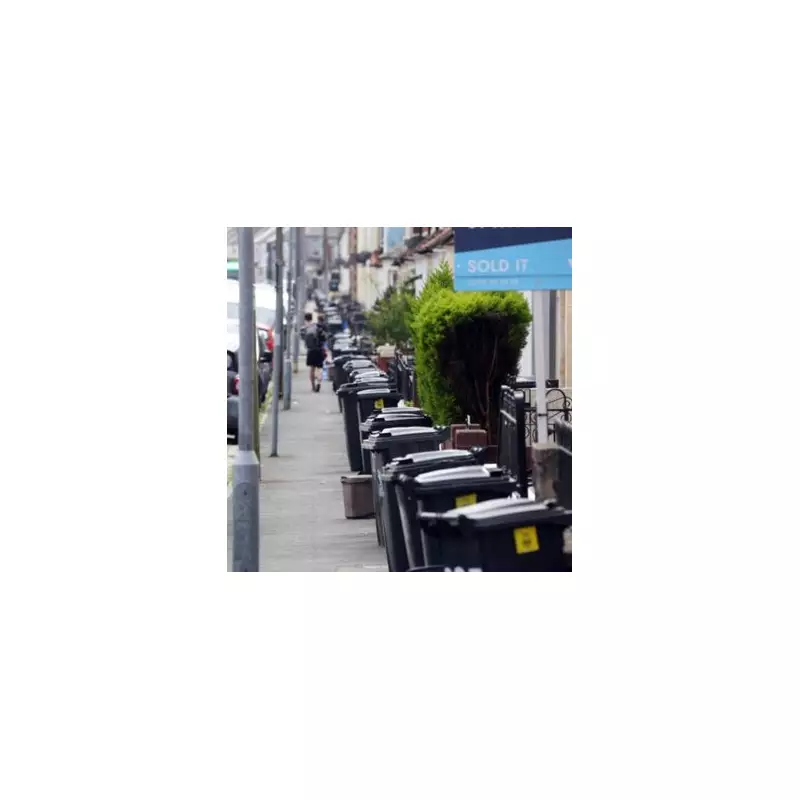
Millions of households across England are set for a major overhaul of their waste collection services from this spring, with the introduction of four new bins and strict new rules on what can be thrown away.
What is Simpler Recycling?
The Labour government's Simpler Recycling initiative is designed to create consistent and more efficient waste collections for all homes, businesses, and public institutions like schools and hospitals. The core change mandates that local authorities collect key recyclable materials from every household in England.
A pivotal deadline is 31 March 2026. By this date, councils must roll out collections for core recyclable waste streams. This includes the introduction of weekly food waste collections for the majority of homes, barring any transitional arrangements that might be in place.

The Full List of Banned Items
Central to the new system is clear guidance on items that "cannot typically be collected" in standard dry recycling bins. Households and businesses must provide clear information on what goes where. The banned items are grouped into specific material categories.
Glass items that cannot be recycled in the new bins include:
- Candles, drinking glasses, and flat glass
- Glass cookware like Pyrex, light bulbs, and tubes
- Microwave plates, mirrors, vases, and window glass
- Ceramics such as crockery or earthenware
Metal items that are prohibited include:
- Laminated foil (e.g., pet food or coffee pouches)
- Electrical items, batteries, and general kitchenware
- Kettles, irons, pipes, and aerosol cans that contained hazardous materials
- All waste electrical and electronic equipment (WEEE), including vapes
Plastic items that are banned encompass:
- Any plastic labelled as ‘compostable’ or ‘biodegradable’
- Packaging that held paints, engine oils, or antifreeze
- Bulky rigid plastics like garden furniture and toys
- Polystyrene packaging and PVC materials
- WEEE, including vapes
Paper and card items that are not accepted are:
- Tissues, toilet paper, and absorbent hygiene products (nappies, period products)
- Cotton wool, makeup pads, and wet wipes
- Paperback and hardback books
Impact on Businesses and Next Steps
The new regulations are already active for businesses, which must arrange for the collection of all core recyclable waste streams, excluding garden waste. However, there is a temporary exemption for micro-firms—businesses with fewer than 10 full-time employees. They have an extended deadline until 31 March 2027 to comply.
This nationwide shift represents the most significant change to household waste management in years. The government stresses that the listed items are examples and not exhaustive, urging residents to follow local council guidance closely as the March 2026 deadline approaches.

