A simple but widespread kitchen mistake is hitting UK residents in the wallet, with potential costs of up to £270 per household. The error involves pouring common cooking by-products down the sink, leading to severe pipe blockages and environmental damage.
The £270 kitchen culprit: Understanding FOG
The primary cause of these expensive problems is known as FOG – fat, oil, and grease. These substances should never be disposed of via the kitchen sink. When poured away, they cling to the inside of drainage pipes and solidify over time. This process gradually narrows the pipes, eventually causing complete blockages and contributing to the formation of massive 'fatbergs' in the public sewer system.
A fatberg is a solid mass found in sewers, created when non-biodegradable solids like wet wipes combine with congealed grease and cooking fat. The material becomes incredibly dense as it solidifies. The congealed grease traps other debris and undergoes a chemical process called saponification, which turns the fat into a soap-like substance, further cementing the blockage.

More than just grease: Other problematic foods
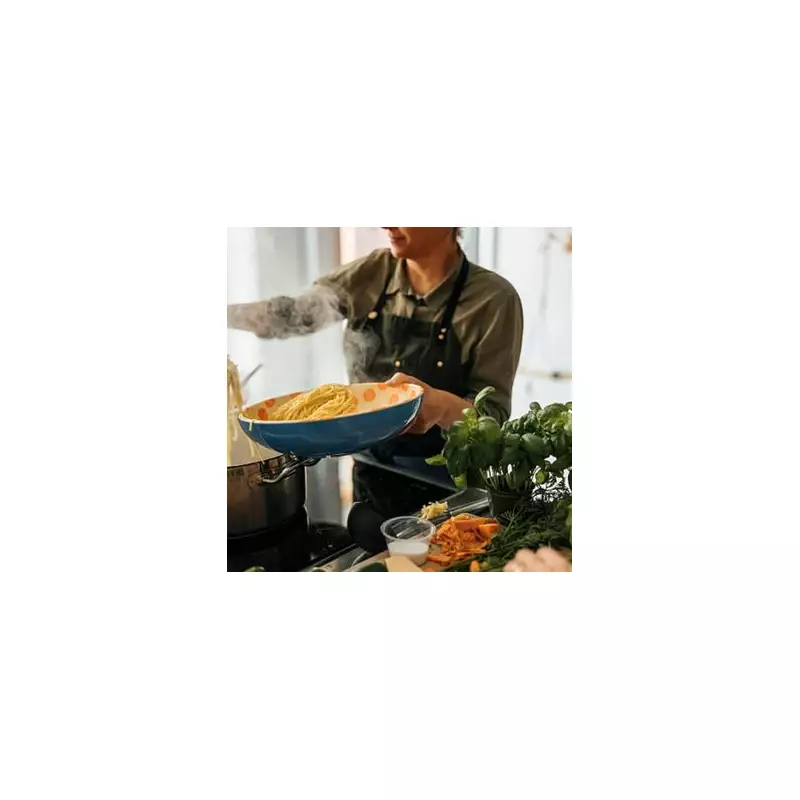
Households are also warned that other everyday food items can cause significant plumbing issues. Starchy foods like pasta and rice are particularly problematic as they swell once submerged in water and become sticky, easily contributing to clogs.
Flour is another culprit that can cause damage. The financial impact is clear: if your sink drain becomes clogged, the average cost to unblock it ranges from £60 to £90. However, households often face an additional emergency call-out fee of around £180 for a plumber to attend and fix the problem, bringing the total potential cost to approximately £270.
The environmental and financial fallout
Industry body Water UK has issued a stark warning about the wider consequences. "These blockages have a major impact on the environment and contribute to pollution in our rivers and water courses," they stated. The organisation highlighted that thousands of UK properties suffer sewer flooding every year, leading to costly clean-up bills and increased insurance premiums for everyone.
"Fatbergs are most often caused by items such as wet wipes and sanitary products that are flushed down the toilet, or by leftover cooking fats and oils poured down the kitchen sink," Water UK explained. "These items stick together and over time they build up and block pipes and drains. Drains and sewers were only ever designed to carry human waste, wastewater and paper from toilets."
The scale of some fatbergs has been astonishing. One of the largest ever discovered was in Whitechapel, London. It was twice the length of two Wembley football pitches and weighed the same as 11 double-decker buses. Removing this monstrous blockage required a team of eight people, working every day for several weeks to break it down.
The message from experts is unequivocal: to avoid a hefty plumbing bill and help protect the sewer network, always dispose of cooking fat, oil, and grease in the bin, not down the drain.