Returning from a refreshing holiday in Cornwall, a writer from the Lancashire Wildlife Trust shares their exhilarating encounters with local wildlife, from a massive shark egg to a boisterous murder of crows.
A Close Encounter with Turnstones
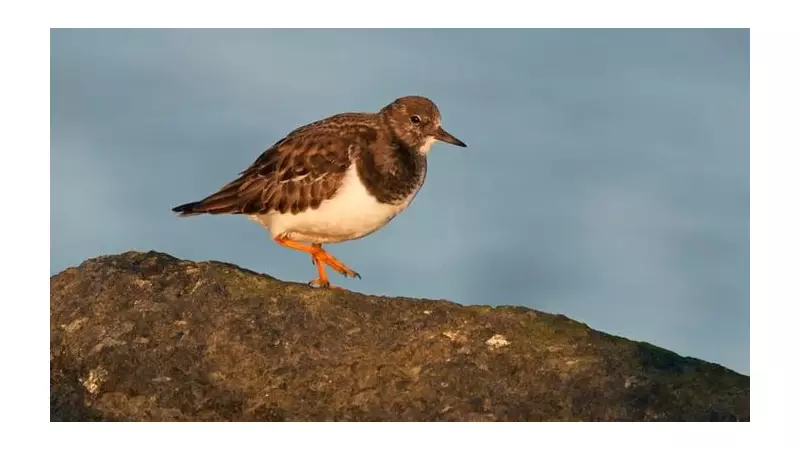
The most memorable moment occurred in Sidmouth, Devon, where a flock of turnstones was discovered preening and drinking on rocks by the promenade. It took a moment to identify them, as these birds change their appearance in winter, adopting a more subdued palette compared to their vibrant summer chestnut-and-black chequered backs.
The observer was able to get remarkably close to these medium-sized members of the sandpiper family. This was a special treat, as they are usually only seen from a distance along the rocky parts of the Lancashire coast.

The Changing Colours of the Turnstone
In their summer finery, adult turnstones display a beautiful and colourful pattern. However, for winter, they tone it down with dark brown feathers above, a distinctive black pattern on the face and breast, and a white chin and belly.
When in flight, these birds reveal a white patch on the back, broad white wingbars, and white patches at the base of their tail. They do not breed in the UK but can be spotted year-round. The birds seen were likely visitors from Canada and Greenland, which arrive in early autumn.
Resourceful Feeders and Where to Find Them
Turnstones get their name from their unique feeding habit of flipping over stones on beaches and rocky areas to find food. Their diet is incredibly varied, ranging from birds' eggs and corpses to opportunistic snacks like dropped fish and chips.
While they were initially spotted on a rocky outcrop, the braver individuals in the flock were soon eyeing up the writer's Lakeland Terrier, Ted, wisely staying just out of reach. This time of year is excellent for birdwatching along the North West coast, where you might also see oystercatchers, sandpipers, and various gulls carried in on Atlantic winds.
Keep an eye out for these wonderfully pretty birds flipping stones, not just in winter, and marvel at a true coastal specialist.