As winter tightens its grip and the RSPB's Big Garden Birdwatch 2026 draws near, UK residents are being encouraged to support their local avian visitors without straining their wallets. The annual citizen science event, scheduled for January 23 to 25, 2026, is a crucial opportunity to monitor bird populations, and providing sustenance during the harsh 'hungry gap' can be a lifeline for wildlife.
Creating a Safe Haven for Feathered Visitors
Attracting birds to your outdoor space hinges on three key elements: food, water, and shelter. Birds need to feel secure, so ensuring there are shrubs or trees for cover is essential. If natural shelter is sparse, consider creating dedicated safe spaces where birds can retreat from predators.
Avoiding insecticides is also critical, as these products eliminate the insects that many bird species rely on for food. Introducing a water source, such as a bird bath or small pond, forms the cornerstone of a wildlife-friendly garden. Remember to break the ice and refill it during freezing spells.

Smart Savings on Feeders and Food
Once you've established a safe environment, offering food is the next step. While a simple apple core or bread crust can help, investing in a dedicated feeder and quality food yields better results. Costs can add up, but there are savvy ways to save.
Feeding stations can be found for as little as £10-£20. Brands like iBorn offer robust stations from £18.88, though feeders are often sold separately. Notably, the RSPB now advises against using traditional bird tables, as horizontal feeding surfaces can spread avian diseases.
For purchasing supplies, check local pet shops, Amazon, and specialist retailers like Garden Wildlife Direct. The RSPB shop, while sometimes pricier, offers expertly approved food, with the bonus of supporting the charity's conservation work.
Choosing the Right Bird Food on a Budget
Selecting the optimal food is key to attracting a variety of species. If you only choose one type, make it sunflower hearts. Though not the cheapest, they are incredibly popular with tits, finches, starlings, and sparrows.
Prices vary, but buying in bulk offers significant savings. A 1kg bag may cost around £7.99, while a 12.55kg bag brings the price down to roughly £1.71 per kilogram. Always store seed in rodent-proof containers.
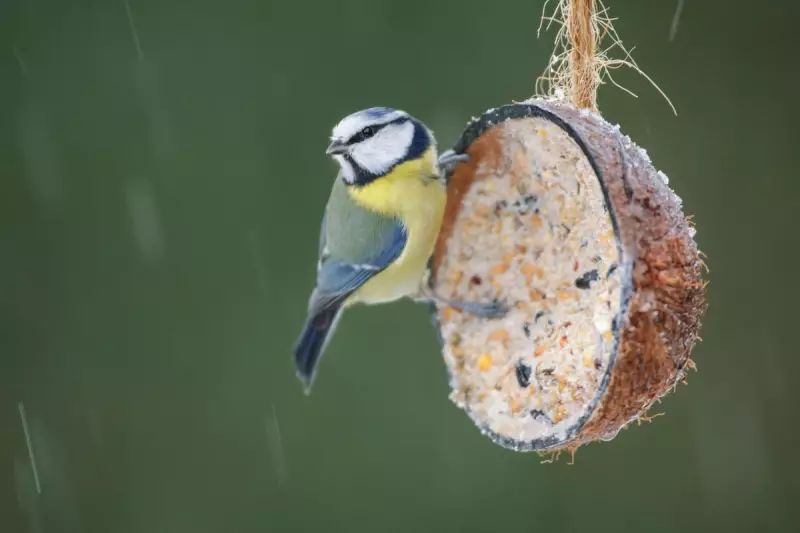
Fat balls are another winter staple; a pack of 25 can be found for £5.99. Always remove the netting to prevent hazards. Peanuts provide cheap energy from a suitable feeder, and mealworms are highly attractive but costly. Avoid cheap supermarket seed mixes bulked with corn, which most birds will ignore.
You can make your own suet creations, but crucially, avoid overfilling feeders. Uneaten, rotting food spreads disease and wastes your money.
How to Participate in the Big Garden Birdwatch 2026
Taking part in the Birdwatch is simple and impactful. First, register on the RSPB website to receive a free guide and a 20% discount with free delivery on shop items.
Between January 23 and 25, spend one hour watching a defined area of your garden or local green space. Only count birds that land, not those flying over. For each species, record the highest number you see at one time. If you see four blue tits, then later see two, your count remains four. If you then see six together, update your count to six.
Submit your results via the RSPB's digital system to contribute to this vital snapshot of UK bird health.
A Vital Final Note on Garden Bird Hygiene
Attracting birds brings the responsibility of preventing disease. Maintain strict hygiene by clearing discarded food, not leaving uneaten food out for too long, and washing feeders regularly. Disease outbreaks can decimate local populations, particularly of finches, so diligent care is essential to keep your garden visitors safe and thriving throughout the winter and beyond.