A legendary Lancashire naturalist has put a local spin on a classic Christmas carol, revealing what the 'Twelve Days of Christmas' would look like through the lens of his wildlife sightings on a beloved peatland.
A Festive Count Inspired by Nature
While the traditional song theorises a recipient being showered with between 184 and 364 birds, Dave Steele, who has recorded wildlife around Chat Moss since childhood, could easily surpass this. His monthly lists regularly reach four figures. So, what does the famous song look like through Dave’s eyes, using his November sightings as a guide?
Forget pear trees. On the first day of Christmas, Dave's true love would find 14 grey partridge sightings around the mosslands. The second day brings collared doves, a stand-in for the traditional turtle dove, which is the UK’s fastest declining bird species due to habitat changes, poaching, and food shortages.

From French Hens to Drumming Woodpeckers
On the third day, tiny fluffy willow tits, which love the area's open peatlands and wet woodlands, replace French hens. Day four requires no swap at all, as the 'calling birds' from the original song are thought to refer to blackbirds with their beautiful songs.
The 'five gold rings' are linked to pheasants, which also feature in this Manchester-area version. Dave also gives a special mention to the ring-necked parakeets he spotted in his garden and at Little Woolden Moss. For six geese a-laying, the mosslands offer a fine choice, with November being perfect for seeing skeins of pink-footed geese flying overhead from Iceland.
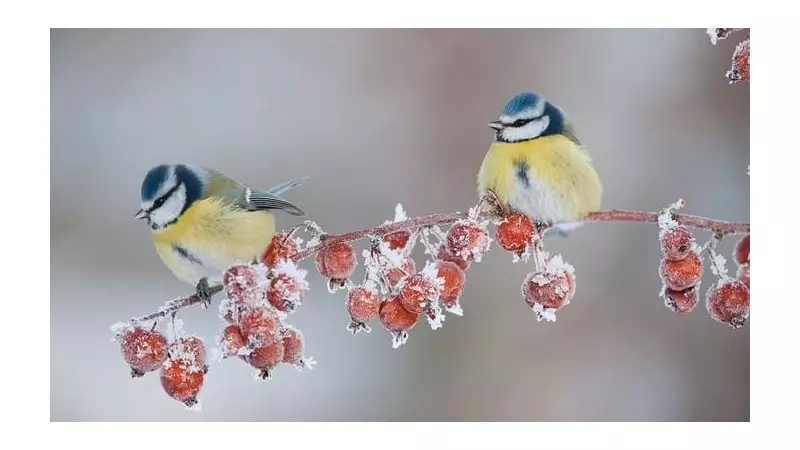
Seven swans were absent in November, so the honour goes to the cute little grebe, or 'dabchick'. Eight maids a-milking finds a fitting match in blue tits, known for their skill at pecking milk bottle tops. Cormorants, often seen perched with wings outstretched to dry, make elegant nine ladies dancing.
Completing the Mossland Chorus
Our ten lords-a-leaping are the leggy herons wading in pools, whose hunched posture and little skip as they take flight fit the bill. The melodious call of the skylark, usually heard high above, provides the eleven pipers piping.
Finally, for twelve drummers drumming, only one bird will do: the woodpecker. The great spotted woodpecker, with its festive red cap, would fit perfectly into a festive marching band.
A massive thanks to Dave Steele for his detailed reports from Chat Moss, and we wish everyone a very enjoyable Christmas.
By Kirsty Tyler from The Wildlife Trust for Lancashire, Manchester and North Merseyside. To become a member, go to the website at www.lancswt.org.uk or call 01772 324129. For more information about Cheshire Wildlife Trust call 01948 820728 or go to www.cheshirewildlifetrust.org.uk.