Endangered Okapi Calf Takes First Steps at Yorkshire Wildlife Park
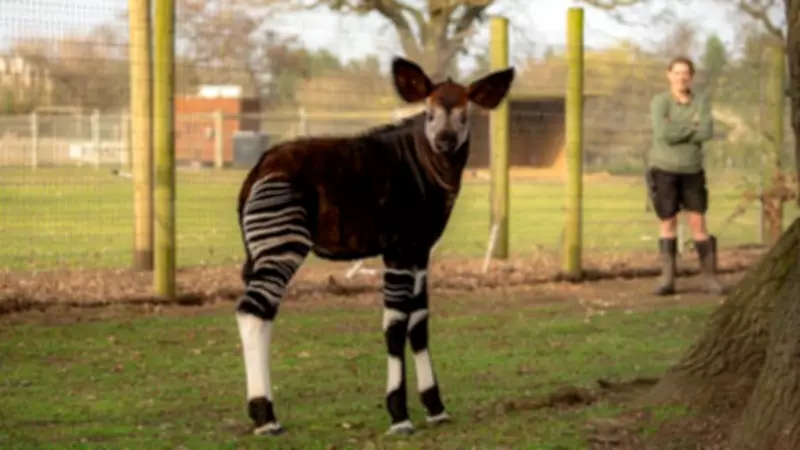
A rare okapi calf has taken its first tentative steps into the spring sunshine at the award-winning Yorkshire Wildlife Park. The newborn, named Neo, was born to mother Ruby in December 2025 and made his public debut this week, venturing outside for the very first time.
Breeding Programme Success
Ruby was transferred to Chester Zoo in 2023 to breed with a male okapi named Stomp as part of the crucial European Endangered Species Programme. After successfully mating, she returned to Yorkshire Wildlife Park in 2024 while several months pregnant. The birth of another okapi calf represents a major boost for this critically endangered species, enhancing conservation efforts across the continent.
Kyrie Birkett, section head of Hoofstock at the renowned park, expressed her excitement: "It was amazing to see Neo take his first steps into his new enclosure. He was nervous at first but has settled in quickly and is enjoying his new environment."
Early Development and Public Viewing
During the initial weeks of his life, the calf remained hidden in a nest, emerging only to feed and interact closely with his mother. He spent several months nesting indoors before finally stepping out into the outdoor habitat. Visitors to the park can now observe Neo outside, weather permitting, or spot him through a viewing window in the indoor house.
Birkett added: "We were delighted to welcome a baby okapi! We are really lucky to have okapis at Yorkshire Wildlife Park, they are such an incredible and beautiful species which need protecting. Ruby has already made a valuable contribution to the breeding programme."
Ruby's Maternal Legacy
Ruby previously gave birth to her first calf, Mzimu, in October 2021, who was the first okapi successfully bred at the park. Mzimu has since joined the breeding programme at another zoo, continuing the vital work of species preservation. Birkett noted: "It is so exciting to see Ruby with a new calf! She is an excellent mother and is very protective of her new baby."
About the Okapi Species
The 175-acre Yorkshire Wildlife Park, located in Auckley near Doncaster, is one of the few UK venues where these traditionally shy and reclusive animals can be observed. Okapis can grow to nearly five feet tall at the shoulder, with an average body length of eight feet, weighing up to 350 kilograms and living for as long as 30 years.
Often referred to as the forest giraffe, the okapi is the closest living relative to the giraffe, distinguished by its unique striped markings. Currently classified as Endangered on the IUCN Red List, okapis face severe threats from poaching, logging, illegal mining, and political unrest in their native habitats within the northeastern rainforests of the Democratic Republic of Congo.
Conservation at the Heart of the Park
Yorkshire Wildlife Park places conservation at the core of all its activities, offering visitors an unparalleled walk-through experience that brings them almost face-to-face with some of the world's most beautiful and rare species. The park is home to Amur Tigers, Giraffes, Black Rhinos, and Polar Bears, among others.
The resort also features The Hex Wildlife Hotel and The Yorkshire Hive, a vibrant shopping, dining, and entertainment village, making it a comprehensive destination for wildlife enthusiasts and families alike.