Arctic Visitors Grace Sefton Coastline
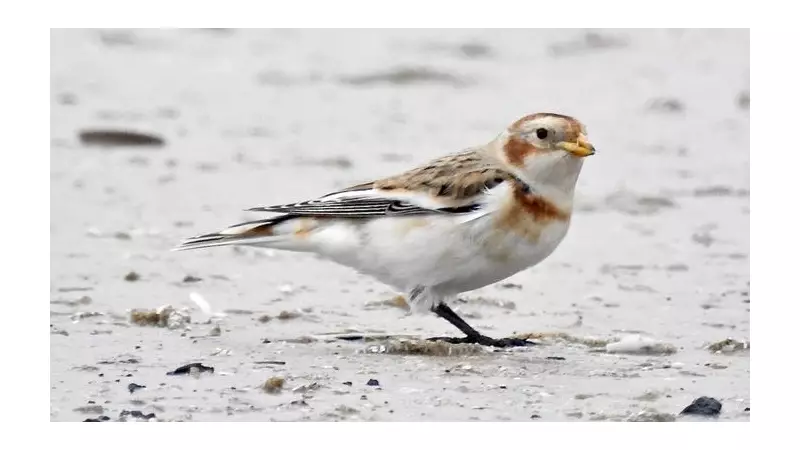
The first Snow Buntings of winter have made their appearance along the Sefton Coast, with two males spotted recently at Ainsdale. These charming Arctic visitors arrive each year, though in smaller numbers than historically recorded, bringing a touch of northern wilderness to Merseyside's shoreline.
Understanding Snow Bunting Behaviour
Snow Buntings possess a remarkable lack of fear around humans, which stems from their breeding grounds in the remote tundra and mountains of northern Scandinavia, Iceland and Greenland. "They rarely encounter people or dogs in their natural habitat, so they simply don't develop a fear of us," explains John Dempsey of Green Sefton.
This characteristic allows for incredible close encounters, as demonstrated by a particularly confiding individual that resided on Southport beach during the previous two winters. Observers could watch this bird from just a few feet away as it concentrated on searching for food in the tideline debris.
However, not all Snow Buntings share this tolerant nature. Some individuals remain warier and can be easily disturbed, preventing them from feeding effectively and potentially driving them away from suitable areas.
Winter Survival Strategies
During the crucial winter months, Snow Buntings focus almost entirely on feeding, scanning the sand and debris just centimetres from their beaks for seeds and invertebrates. Their feeding strategy makes them vulnerable to disturbance from walkers, photographers and dogs along popular beach areas.
Mid-November represents the typical arrival time for these winter visitors, though they can appear right through to early spring. In one memorable sighting, John Dempsey observed a migrating Snow Bunting on the Green Beach north of Ainsdale on a hot May morning, with the bold bird even running over his boot while chasing midges.
Conservation and Respectful Observation
When Snow Buntings arrive at busy locations like Ainsdale, the constant parade of walkers and dogs often pushes them toward quieter areas to the north or south. Alternatively, they may retreat into the dunes where they can feed without interruption, remaining out of sight and free from disturbance.
John Dempsey emphasises the importance of responsible wildlife watching: "If a Snow Bunting stops feeding and flies away from you, you are too close." He encourages visitors to detour slightly to leave the birds in peace, noting that these engaging creatures need to feed almost constantly to survive the winter months.
The Sefton Coast offers miles of coastline for everyone to enjoy, but visitors should prioritise wildlife welfare when exploring this protected landscape. By maintaining respectful distances and allowing these Arctic visitors to feed undisturbed, we can ensure they continue to grace our shores for winters to come.