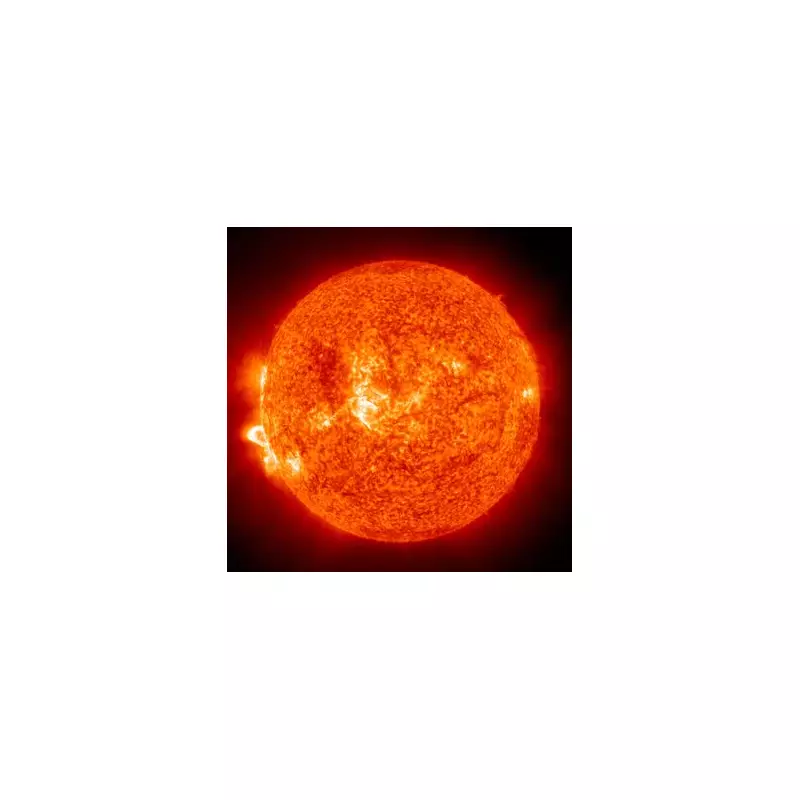
Cosmic Tsunami Approaches Earth
A powerful solar storm is currently racing toward our planet and could strike within hours, potentially disrupting critical infrastructure worldwide. Astronomers have described the incoming space weather event as a cosmic "tsunami" following multiple solar flares and coronal mass ejections from the Sun.
Record-Breaking Solar Activity
Space scientist Steph Yardley confirmed that Active Region 4274 unleashed an X5.1-class solar flare - one of the strongest recorded during the current solar cycle. This significant eruption was associated with a full halo Earth-directed coronal mass ejection that has already produced a ground level enhancement.
The phenomenon detected by ground-based neutron monitors is remarkably rare, with only 75 similar events recorded since 1942. The latest comparable event, designated GLE75, occurred on June 8, 2024.

Cannibal CME Threat and Potential Impacts
Yesterday's X1.7 coronal mass ejection and today's record X5.0 flare from sunspot AR4274 are travelling toward Earth at speeds reaching 1,000 kilometres per second. The lead coronal mass ejection from November 9 may already be affecting our planet's magnetosphere.
This could trigger minor radio blackouts over Europe and Africa, while trailing blasts might catch up and merge en route in what scientists call a "cannibal" event. This occurs when faster rear waves devour the front ones, significantly amplifying their impact.
If this merger happens before reaching Earth, it could spark G3 (strong) to G4 (severe) geomagnetic storms. Such events typically cause voltage surges in power systems and create spectacular auroras visible as far south as Alabama or northern Spain.
The incoming space weather could disrupt satellites, radio communications, and flight operations if it proves powerful enough. Space weather experts continue monitoring the situation closely as the solar storm approaches our planet.