As the first light of 2026 creeps over the West Pennine Moors, a silent world of wildlife is already stirring across Greater Manchester. For early risers, this quiet time offers a precious chance to connect with nature, even in the depths of winter.
The Dawn Chorus and Winter Tracks
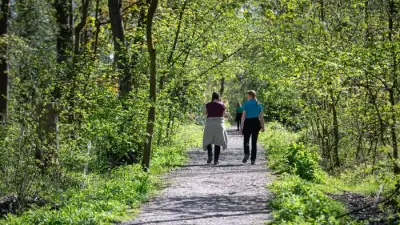
With few people about on New Year's Day, the natural world takes centre stage. Blackbirds and robins provide a cheerful soundtrack, flitting onto paths ahead of walkers. The cold ground tells its own stories, with tracks in mud or snow revealing nocturnal visitors. While many prints belong to domestic dogs, those venturing deeper into woodland might find the delicate imprints of roe deer and rabbits.
For Alan Wright of The Wildlife Trust for Lancashire, Manchester and North Merseyside, these early excursions are a ritual, often prompted by his dog Ted's morning woofs around 6am. Born on Christmas Eve 2024, Ted is now enjoying his second New Year, proving a keen companion on these frosty expeditions.

Encountering Manchester's Most Common Deer
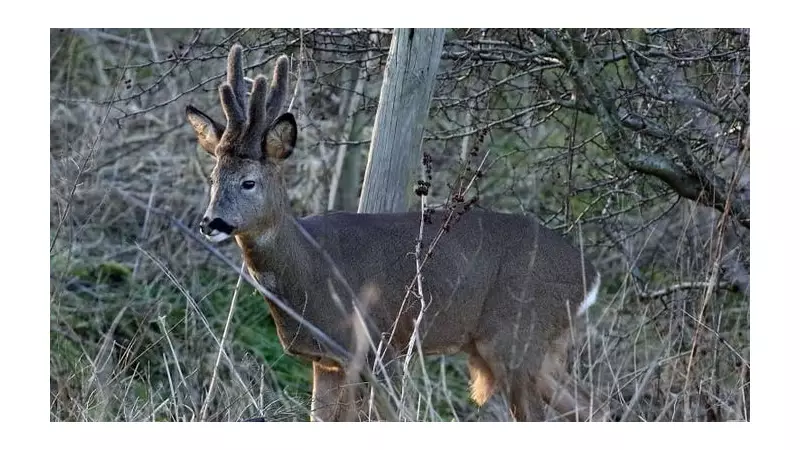
Living on the edge of the Pennines almost guarantees a morning deer sighting. Roe deer, Britain's most common native species, are frequently spotted. They typically feed on lowland vegetation before moving uphill to avoid human disturbance. If engrossed in eating, they often allow a surprisingly close approach before bounding away, their distinctive white tails bobbing as they vanish into undergrowth.
In colder months, roe deer are more likely to be seen in groups, adopting a more solitary life in summer. The males, or bucks, are currently growing velvety antlers, which will be shed in spring. Their winter coat is a mix of brown and grey, marked by that characteristic white rump patch, which turns more reddish in summer.
A Landscape Full of Life
Spotting such a substantial animal thriving in densely populated Greater Manchester is a life-affirming experience. Beyond deer, these winter walks can yield sightings of brown hare, woodcock, and hunting kestrels. The sparse ground cover, especially when snow lies, gives these birds of prey a better chance of spotting voles or mice.
Buzzards patrol for carrion, while the calls of owls and the drumming of woodpeckers become more apparent in the coming weeks. The cold is easily forgotten once wrapped up and immersed in these wild wonders.
A Vital Call for Support in 2026
The Lancashire Wildlife Trust will need public support more than ever in 2026 to protect and perfect habitats for these plants and creatures. Without it, we risk losing amazing species that have lived alongside us for generations.
Making a New Year's resolution to support local wildlife not only aids conservation but also enriches our own lives, offering the profound benefit of encountering deer, hare, robins, and buzzards in local beauty spots.
To become a member and help safeguard this natural heritage, visit www.lancswt.org.uk or call 01772 324129. For information about the Cheshire Wildlife Trust, call 01948 820728 or visit www.cheshirewildlifetrust.org.uk.