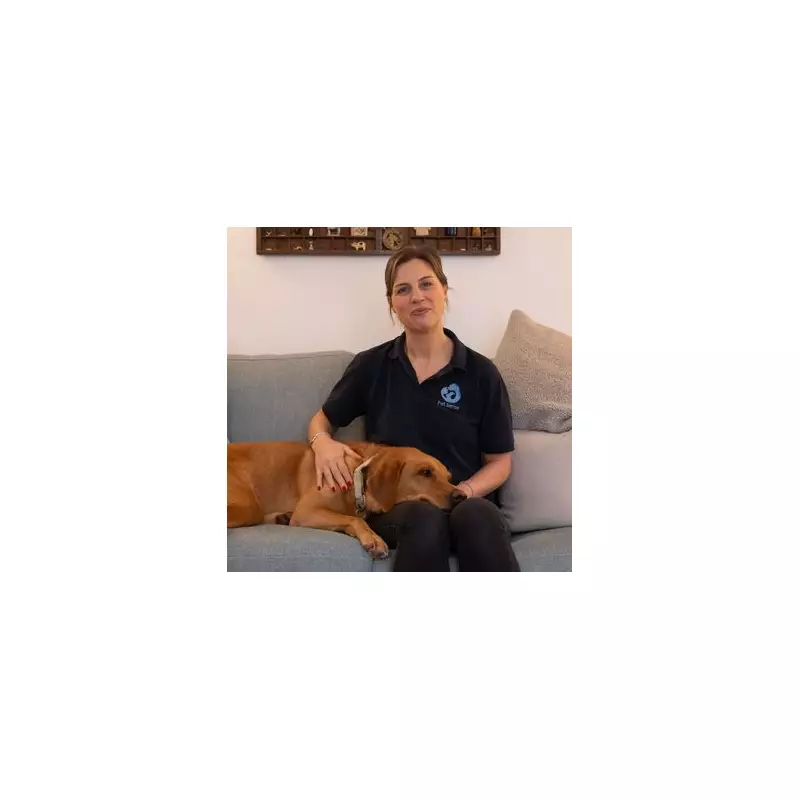
A leading pet expert has revealed that older dogs are far from being stuck in their ways and can absolutely master new skills with the right approach. Rosie Bescoby, a clinical animal behaviourist with over two decades of professional experience, insists that the old adage about not being able to teach an old dog new tricks is a myth.
Why Senior Dogs Can Still Learn
Rosie Bescoby explains that a common misconception is that an aging dog's mind has deteriorated simply because they may have slowed down physically. "People often assume older dogs are stuck in their ways," she said. "However, this doesn’t mean they’re incapable of learning new things." She emphasises that teaching a fresh trick is fundamentally different from trying to modify an unwanted, long-standing behaviour.
According to Rosie, the secret lies in identifying what motivates your individual dog now, which may have changed from their younger years. This reward doesn't always need to be a food treat. Introducing new challenges and toys is not just about learning; it's a powerful way to maintain your dog's mental sharpness and rekindle the emotional bond that can sometimes fade with age.

Five Practical Tricks for Your Aging Pooch
Rosie has outlined five specific tricks that are well-suited for older dogs, taking into account potential physical limitations while providing mental stimulation.
1. Nose to Hand Touch
This technique is excellent for dogs who may be hard of hearing, as it creates a strong visual recall signal. Start by placing a treat between your fingers and holding out your hand. Lower your hand to your dog's level to encourage them to come. Repeat this three to five times with the treat, then try without. Once mastered, you can practise from increasing distances and in various environments.
2. Middle Position
Ideal for dogs who find sitting difficult, this involves luring your dog to walk behind you and then back through your legs. Use a favourite lure in your hand to guide them around the back of your legs, then transfer the lure to your other hand to lead them through. Gradually phase out the lure, using just your hand motion as the cue.
3. Spin
A classic trick that should be adapted to your dog's pace and physical capabilities. Lure them in a circular motion with a treat or toy. Slowly introduce the verbal cue "spin" and widen the circle if they need more space to turn comfortably. Eventually, remove the lure but keep your hand in the same guiding position.
4. Shake
Since most dogs naturally shake off, this trick is about adding a verbal command to the action. Gently ruffle your dog's coat (if they enjoy it) and say "shake" just as you predict they are about to do it. With consistent pairing, they will learn to perform the action on the verbal cue alone.
5. Go to Bed
Transform your dog's bed into a positive destination. Start by placing a treat in the bed each time and using the cue "bed." Once they reliably go to the bed, increase the distance they must travel, turning it into a fun game. This reinforces a long-term positive association with their bed.
Strengthening the Bond Through Learning
Rosie Bescoby's guidance underscores a vital message for owners of senior dogs: continued training and enrichment are crucial. Engaging your older dog's mind with new, gentle tricks is a profound act of care. It combats cognitive decline, provides joyful interaction, and ultimately strengthens the irreplaceable bond between pet and owner, proving that learning truly has no age limit.