The United Kingdom is set to shiver as a bitter Arctic blast is forecast to sweep across the nation, bringing temperatures as low as -7°C and the return of snowfall in the coming days.
Snow and Sub-Zero Temperatures on the Horizon
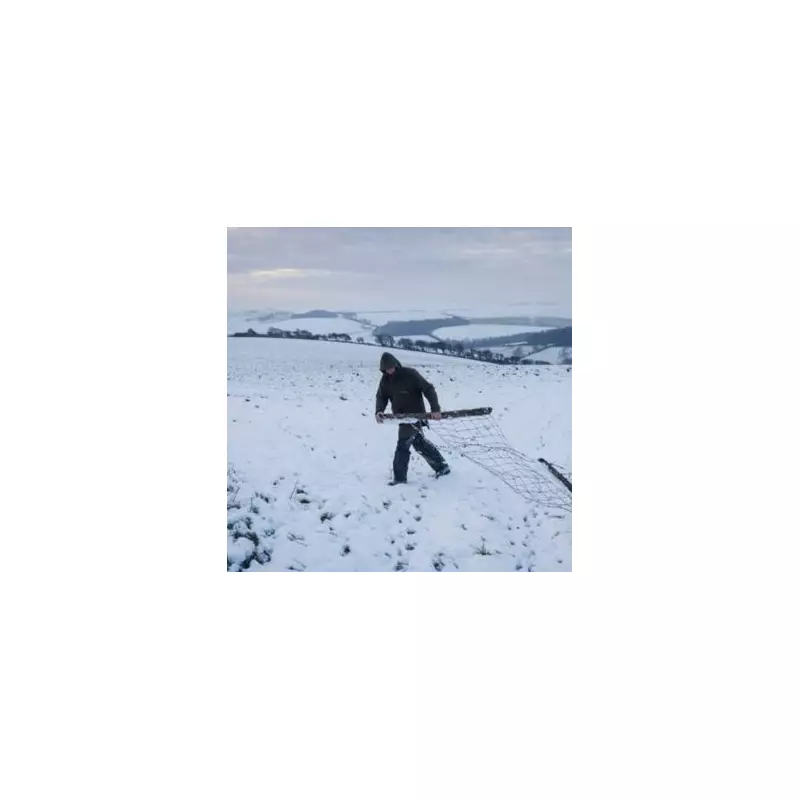
According to detailed weather maps from WXCHARTS and Netweather, the cold snap currently affecting the country will intensify, extending its grip into the first week of December. The most significant chill is expected to arrive around December 3, with light snow dustings of up to 1mm per hour predicted for parts of Scotland, England, and Wales.
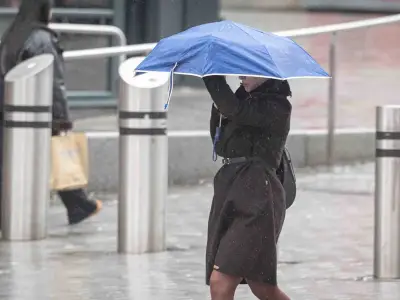
Areas anticipated to be worst-hit by the wintry conditions include the Scottish Highlands, Cumbria, and Conwy. Concurrently, many regions along the UK's west coast, as well as parts of the Midlands and Devon, are bracing for light rain falling at rates of up to 3mm per hour.

A Deep Freeze for the Highlands
The cold will reach its peak the following day. Forecasts indicate that temperatures in the Scottish Highlands are set to plummet to between -1°C and -7°C. This is a stark contrast to the average December temperature of around 5°C, highlighting the severity of this incoming Arctic weather system.
Met Office Long-Range Forecast
In its separate long-range forecast for the period from November 29 to December 8, the Met Office describes a generally changeable and unsettled picture for the UK. The national weather service states that low-pressure systems will dominate, bringing showers or longer spells of rain for much of the country, with the heaviest precipitation most likely in the west.
The Met Office forecast specifically notes that snow will probably be confined to high ground in the north. It also warns of potential periods of strong wind, particularly around coasts, and confirms that temperatures are expected to be close to or slightly above average for the period overall, despite the expected sharp cold snap at the start of the month.