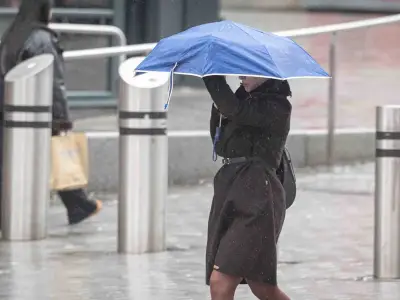
Fresh weather maps are predicting a significant wintry blast for the United Kingdom, with a three-inch 'snow bomb' set to hit parts of the nation as temperatures plummet dramatically. However, detailed analysis reveals that 29 counties across England are expected to be spared the heaviest snowfall.
Snow Maps Reveal Widespread Chill
According to data from WX Charts, which utilises Met Desk information, up to 8cm (over three inches) of snow is forecast for the Scottish Highlands. The cold snap is expected to bite hard, with temperatures potentially falling as low as -6°C in some areas ahead of the Christmas period.
The initial wave of wintry weather is projected for the overnight period of December 17. During this time, 3cm of snow could accumulate, accompanied by bitterly cold conditions. Forecasts indicate temperatures around 0°C in Wales, -1°C in Northern Ireland, and -1°C in northern England.

Regions Bracing for the Worst
Scotland is poised to bear the brunt of the freeze, with widespread lows of -2°C to -3°C, plummeting to a frigid -6°C in rural, elevated spots. In England, areas at highest risk include counties across the northern Midlands, the North West, and the North East.
Conversely, a significant portion of England looks set to avoid the deepest snow. The list of counties likely to be spared is extensive, offering relief to many residents.
The 29 Counties Set for a Lighter Touch
Weather charts suggest the following English counties will escape the most severe snowfall:
- West Midlands, Herefordshire, Warwickshire, Shropshire
- Leicestershire, Nottinghamshire, Lincolnshire
- Cambridgeshire, Oxfordshire, Buckinghamshire, Hertfordshire
- Bedfordshire, Northamptonshire, Norfolk, Suffolk
- Kent, Surrey, Essex, Berkshire, Wiltshire
- Greater London, Sussex (East and West), Somerset
- Gloucestershire, Devon, Dorset, Cornwall
The Isle of Wight is also expected to miss the snow flurries.
Broader Winter Outlook for 2025-26
Looking beyond the immediate cold snap, the seasonal forecast from NetWeather TV presents a mixed picture. For the three core winter months, temperatures are predicted to be above the 1991-2020 long-term average. Specifically, December is forecast to be above average, January close to average, and February above average again.
The forecast also indicates above-average rainfall is expected across the season, with the highest probability for wetter conditions in December and February. January rainfall is anticipated to be close to the seasonal norm.
Overall, winter 2025-26 is likely to be frequently influenced by Atlantic-driven weather patterns, which could sometimes be stormy, rather than persistent blocking patterns that typically favour prolonged cold spells. This suggests a generally milder and wetter winter overall.
However, meteorologists note a potential wildcard. The presence of La Niña in the Pacific and an easterly QBO (Quasi-Biennial Oscillation) could lead to a weaker-than-normal polar vortex during the first half of winter. This atmospheric setup increases the chance of occasional colder spells breaking through the predominantly mild conditions, much like the event forecast for mid-December.