The United Kingdom is preparing for its first significant snowfall of the season, with weather maps indicating up to 7cm of snow could blanket parts of the country this week. The Met Office has forecast a sharp wintry shift, prompting the UK Health and Security Agency (UKHSA) to activate official cold weather alerts.
Where and When the Snow Will Hit
The first snow flurries are expected to begin falling as early as Tuesday, 18th November, initially affecting the high grounds of Scotland. By Wednesday, the wintry conditions are predicted to spread southwards. While Scotland is set to bear the brunt of the snowfall, northern regions of England are also on alert.
Areas particularly at risk include Northumberland, Cumbria, Durham, and the Pennines. This encompasses parts of Yorkshire, Lancashire, Greater Manchester, Derbyshire, Cheshire, and Staffordshire. Temperatures are forecast to plummet, with potential lows of -10°C in the Scottish glens.

Meteorologist's Warning and Travel Disruption
Jim Dale, Senior Meteorologist at British Weather Services, provided a detailed analysis of the incoming weather system. "As the Storm Claudia mopping up gathers pace, the next episode is one of widespread ice and northern snow," Mr Dale stated. He confirmed that the snow will become "far more manifestly and at low levels by Tuesday morning across Scotland" before spreading south by early Wednesday.
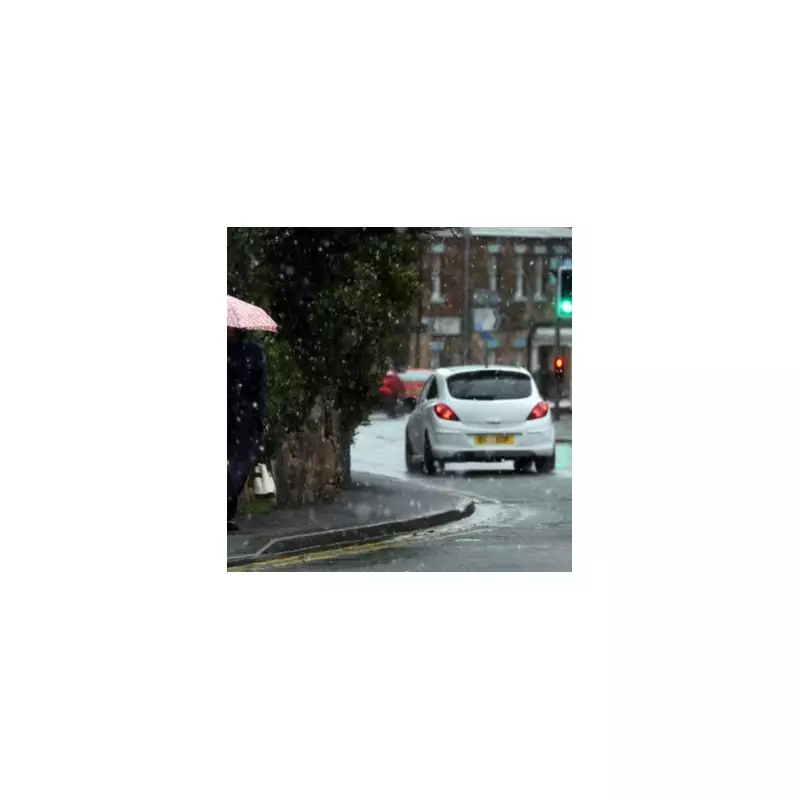
The RAC has immediately responded to the forecast by issuing a warning to motorists. Breakdown spokesperson Alice Simpson highlighted the increased risks, noting that freezing temperatures will turn rain-soaked roads dangerously slippery. "We expect breakdown volumes to be around 10% higher than normal... which equates to around 1,000 more people needing our help each day," she said. Simpson also cautioned that autumn hazards like wet leaves become even more treacherous when frozen, creating a layer that increases the likelihood of skidding.
Staying Safe in the Cold Snap
With the UKHSA's cold weather alerts in effect, the public is advised to take necessary precautions. This includes checking on vulnerable neighbours, ensuring heating systems are working, and if travel is essential, allowing extra time for journeys and preparing for potential delays. The combination of snow, ice, and sub-zero temperatures marks a definitive end to the autumn period for much of the UK, signalling an early arrival of winter conditions.