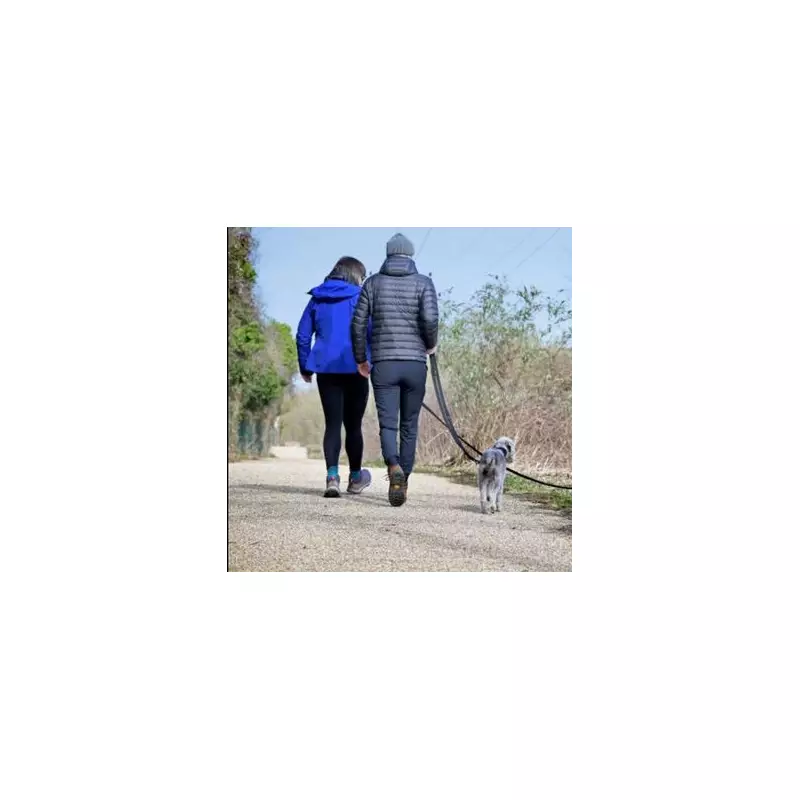
Veterinary experts and animal welfare groups are issuing an urgent winter warning to dog owners across the UK, advising them to strictly adhere to a specific walking schedule to protect their pets from the dangers of extreme cold.
The Critical 11am to 3pm Walking Window
The key guidance is to schedule daily walks during the warmest part of the day. For the remainder of winter, this is typically between 11 am and 3 pm. This simple adjustment can significantly reduce a dog's risk of cold-related health issues. However, the advice becomes even more stringent during severe cold snaps.
Owners have been warned that when the mercury plummets to -4°C or lower, it is recommended to avoid outdoor walks with dogs altogether. At these temperatures, the risks of exposing pets to the elements far outweigh the benefits of exercise.

Understanding the Dangers of Canine Hypothermia
The primary threat during freezing weather is hypothermia, a condition where a pet's body temperature drops to a dangerously low level. While most animals can handle a minor temperature dip, a significant or sudden drop can lead to severe health complications.
According to veterinary sources like Pet MD, a dog's initial response to cold is to narrow blood vessels near the skin. This sends blood away from the legs, ears, and feet towards vital organs like the heart and brain. The visible signs of distress become progressively worse as the condition advances.
The potential consequences of hypothermia in dogs are serious and can include:
- A slow, irregular heartbeat and damage to the heart muscle.
- Kidney damage and gastrointestinal issues.
- Damage to blood vessels and dangerous electrolyte imbalances.
- An increased risk of blood clots and a reduced ability to fight off infection.
Body heat is lost much more rapidly when cold weather is combined with wind chill or damp conditions like sleet and rain. Dogs lose heat primarily through their skin, either via direct contact with cold surfaces like frozen ground or through heat transfer to the air.
Essential Winter Welfare Advice from the PDSA
The veterinary charity PDSA has supplemented the walking advice with crucial tips for overall winter pet care. They emphasise ensuring pets have a warm, comfortable bed in a draught-free area of the home and must never be left locked outside.
"Never leave them anywhere cold, such as your car, after a walk," the charity stresses. For dogs that need outdoor walks, carrying a towel to dry them off thoroughly if they get wet is a simple but vital precaution.
For cats that prefer the outdoors, owners should provide a warm, dry, and cosy shelter filled with plenty of bedding to offer refuge from the freezing temperatures.
By following this expert guidance, dog owners can ensure their four-legged companions stay safe, healthy, and comfortable throughout the challenging winter months.