National Trust Honors Women Conservationists Across Somerset for International Women's Day
This International Women's Day, observed on Sunday, March 8, the National Trust is proudly celebrating the remarkable women who work tirelessly across Somerset's coast and countryside. From dedicated rangers and enthusiastic apprentices to skilled tree specialists, community officers, and committed volunteers, these women are making significant contributions to environmental stewardship and community engagement.
Vital Roles in Shaping Landscapes and Restoring Wildlife
Across Somerset, women play an indispensable role in shaping the region's diverse landscapes, restoring critical wildlife habitats, and inspiring the next generation of conservationists. At Holnicote on Exmoor, women constitute a substantial proportion of the ranger team, encompassing permanent rangers, apprentices, and individuals in specialized roles.
Ranger Aislinn Mottahedin-Fardo is spearheading a comprehensive ten-year survey of ancient and veteran trees across the expansive 12,500-acre estate. Some of these trees are over 500 years old and serve as vital habitats for rare species, including a unique lichen found nowhere else in the world. "These trees give us a glimpse into our past. Now they are among our most ecologically important habitats, supporting species that depend on them to survive," she explains.
Rediscovering Historic Orchards and Restoring Dry-Stone Walls
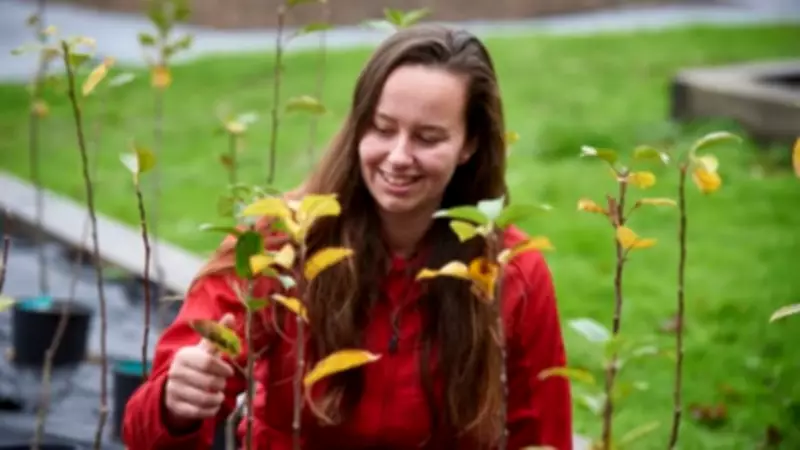
Tree nursery officer Zoe collaborates closely with volunteers to rediscover historic orchards, visually identifying forgotten fruit trees and implementing strategies to safeguard their future. "There's something special about knowing the seeds in my hands could become a future woodland," she shares, highlighting the long-term impact of her work.
On the Mendip Hills, lead ranger Lauren Holt is actively restoring historic dry-stone walls with the help of volunteers. These walls function as essential wildlife corridors and play a crucial role in preserving rural heritage. "Dry stone walling connects you directly to the landscape and the people who shaped it before us. Rebuilding these walls is about protecting wildlife, heritage, and also the character of the Mendip Hills," Lauren emphasizes.
Community Engagement and Educational Initiatives
Community and participation manager Charlotte Burke has led the innovative two-year Freshwater Renaissance project, which involved creating 25 new ponds and wetlands. The project also includes weekly sessions with a local primary school and various initiatives designed to help people reconnect with nature. "Whether it's through volunteering, learning, or simply spending time outdoors, connecting communities with nature creates benefits that go far beyond the landscape," Charlotte notes.
Last month, women apprentice rangers contributed to delivering Hedgefest at Glastonbury Tor, a vibrant celebration of hedgerows and rural skills. This event was specifically designed to engage women, young people, and LGBTQIA+ communities in conservation efforts, fostering inclusivity and broader participation.
Recognition and Inspiration for Future Generations
Simon Larkins, National Trust general manager, expressed his admiration for the women's contributions: "International Women's Day is an opportunity to recognise the vital contribution women make across our Somerset countryside. Their work strengthens nature, supports communities, and helps shape resilient landscapes for the future. Seeing women in these roles matters, because it shows that conservation is a path open to everyone."
The National Trust's celebration underscores the essential and diverse roles women hold in conservation across Somerset. Their dedication not only enhances the natural environment but also builds stronger, more connected communities, paving the way for a sustainable and inclusive future in environmental stewardship.