Dorset Man's Prostate Cancer Survival Story Highlights Urgent Call for Action
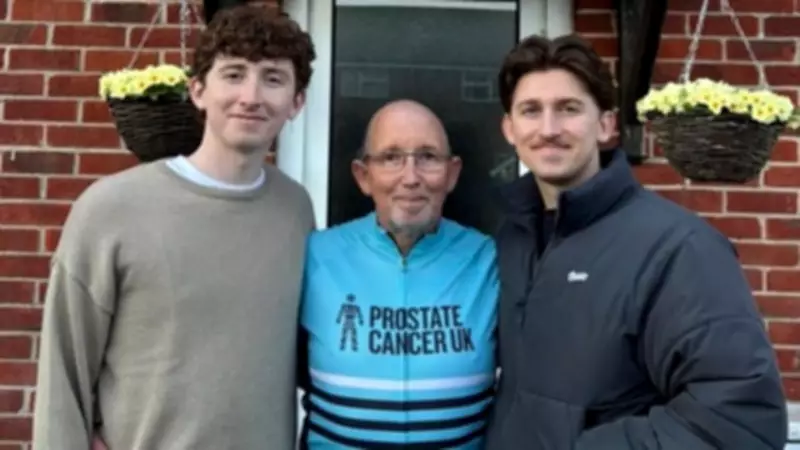
After overcoming the same disease that claimed his father's life, a man from Dorset is passionately urging men across the region to act swiftly to protect their health. Graham Heron, 64, from Bovington, is making a heartfelt appeal for more men to take proactive steps to avoid falling victim to prostate cancer, the most common cancer affecting men in the United Kingdom.
A Personal Journey of Loss and Vigilance
Speaking during Prostate Cancer Awareness Month in March, Graham shared his emotional story. He explained, "I lost my dad to prostate cancer in 2007, and because we were aware of its hereditary nature, I took his advice and started having PSA blood tests when I was 50." These tests, which measure levels of a protein that can indicate prostate cancer, remained stable until he turned 60, when his levels began to rise slightly.
This prompted a shift to six-monthly blood tests, and in January 2025, his levels were high enough to warrant biopsies. On May 21, 2025, Graham received the diagnosis that he had cancer, requiring hormone therapy and radiotherapy. "It was still a shock," he admitted, "but looking back now, by being aware and taking action, I had basically given myself the very best chance of survival, and I firmly believe that's why I am still here today."
The Stark Reality of Prostate Cancer in the UK
Prostate cancer affects approximately one in eight men in the UK during their lifetime, with one man dying from the disease every 45 minutes. Early diagnosis is crucial, as it significantly improves the chances of long-term survival. The cancer originates from uncontrolled cell growth in the prostate, a gland in the male reproductive system, and symptoms can include difficulty urinating, blood in urine, and pelvic discomfort.
While many cases grow slowly and may not require immediate treatment, some aggressive types can spread rapidly, making early detection vital. Graham emphasized, "This is a cancer which is so treatable! It just needs more men to be proactive and get tested to stop so many having to die."
Treatment, Support, and Community Bonds
Graham underwent his treatment at Dorchester Hospital, where he praised the medical team as amazing. He found solace in a supportive community of fellow patients, describing it as "a bit like friends with therapy." They formed a WhatsApp group and continue to meet monthly for meals, which he calls one of the best outcomes of his experience.
Reflecting on his treatment journey, he said, "On my 19th treatment of 20, I couldn't stop grinning. On my last treatment, I stood up afterwards and burst into tears. The sense of relief was huge, and I'm still very emotional about it all now." Graham learned he had gone into remission on December 15 last year, expressing gratitude for his father's early encouragement and the chance to advise his own sons to be vigilant.
Charity Support and Financial Assistance
Graham, who retired from the Army and now works part-time as a housekeeper at Durdle Door Holiday Park, also highlighted the support from the Dorset Cancer Care Foundation (DCCF). This charity provides non-returnable grants to Dorset residents struggling financially due to a cancer diagnosis, helping with household bills, specialist equipment, and respite breaks.
He shared, "My cancer support nurse told me about the DCCF, and I did a simple application online. I was very grateful when they sent me some money to help pay my bills. I was and still am worried about being able to support myself, and without their help, it would have all been even harder."
A Final Plea for Proactivity
Graham concluded with a powerful message, noting that while there isn't yet a national screening programme for prostate cancer, anyone can request a blood test if they feel at risk or have symptoms. "Please be proactive - it could save your life," he urged, hoping his story will inspire others to take charge of their health and seek early testing to combat this prevalent disease.