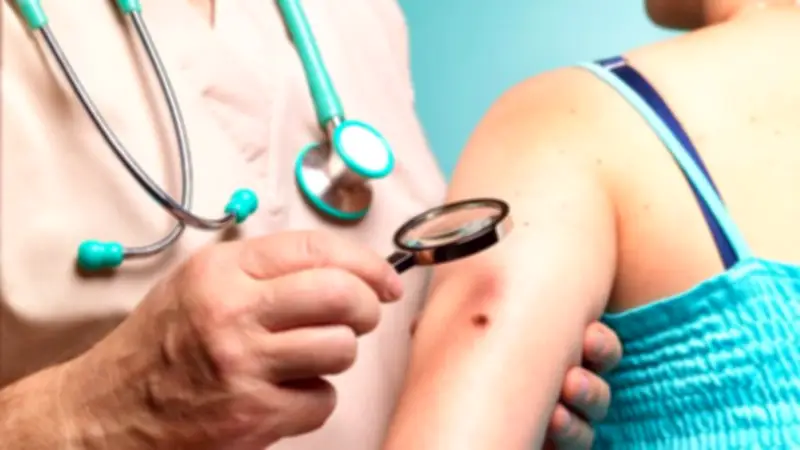
Scientists have hailed a 'pivotal moment' in cancer research after a new personalised melanoma vaccine significantly reduced the risk of dying from skin cancer, offering new hope to thousands of patients. The jab, developed by pharmaceutical companies Moderna and Merck (known as MSD in the UK), can be custom-built for each person within weeks and is designed to train the immune system to identify and destroy cancer cells, helping prevent the disease from returning after treatment.
Experts described the findings as a 'pivotal moment for the field of cancer research', saying the treatment could extend the lives of people diagnosed with melanoma and may eventually be available on the NHS as early as next year, subject to regulatory approval. British patients were among the first globally to take part in trials of the vaccine at University College London Hospitals NHS Foundation Trust (UCLH). A stage two study had already shown the vaccine significantly reduced the risk of melanoma returning.
How the vaccine works
The treatment, known as mRNA-4157 (V940), targets tumour neoantigens – markers on cancer cells that can be recognised by the immune system. The jab contains coding for up to 34 neoantigens and is designed to trigger a tailored anti-tumour immune response based on the unique genetic mutations within a patient’s cancer. To create the vaccine, doctors remove a sample of the tumour during surgery, then use DNA sequencing and artificial intelligence to design a personalised treatment specific to that patient.

According to NHS data for England, melanoma – which causes around 2,600 deaths a year in the UK – has a five-year survival rate of just around 25% once it reaches stage four. The new vaccine could change that outlook for many patients.
Trial results show significant benefit
Results from a phase three trial involving more than 1,000 patients found that combining the vaccine with MSD’s immunotherapy drug Keytruda led to a 49% reduction in the risk of cancer recurrence or death. The study also showed a 59% reduction in the risk of 'distant metastasis' – where cancer spreads to other organs or tissues – or death, according to Benedict Tetzlaff-Deas from the Mirror.
Researchers said the results provide 'proof of principle that personalised cancer vaccines work', adding they could potentially be adapted for other cancers, including lung, bladder and bowel cancer. Dr Lennard Lee, consultant medical oncologist, associate professor and senior national clinical adviser on cancer vaccines at the University of Oxford, said: “These findings are significant. This is the first positive phase three trial of an individualised neoantigen therapy and an mRNA-based cancer treatment.
“That makes this an important moment for a field that scientists have been working towards for many years. This was a large phase three randomised trial involving 1,137 patients with surgically removed, high-risk melanoma, and the trial met its primary endpoint.
“According to the topline announcement, patients receiving the personalised mRNA cancer vaccine alongside pembrolizumab had a statistically significant and clinically meaningful improvement in recurrence-free survival compared with pembrolizumab alone. The study also met the important secondary endpoint of distant metastasis-free survival. That is very encouraging. We should now look forward to seeing the complete data.”
Industry reaction and next steps
Moderna chief executive Stéphane Bancel said: “These phase three findings represent a pivotal moment for the field of cancer research. For many years, the idea of creating an mRNA treatment designed specifically for an individual patient's cancer was aspirational. We are now helping turn that vision into a reality.” Following the announcement, shares in Moderna rose by as much as 155% in the US, while MSD shares were around 10% higher on Wednesday.
The vaccine is expected to be considered for regulatory approval in the coming months, and if approved, could become available on the NHS as early as next year. The full data from the phase three trial is awaited, and researchers are already exploring how the technology could be applied to other cancer types, potentially transforming treatment for lung, bladder and bowel cancer patients in the future.