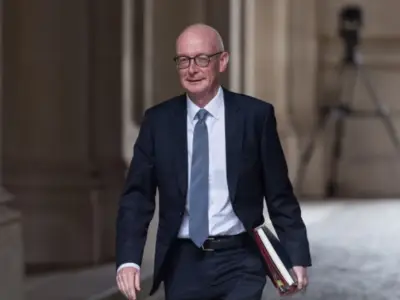
The Labour government, with Andy Burnham and John Healey at the helm, has confirmed the Triple Lock will remain, guaranteeing a significant increase for state pensioners next spring. In April 2027, both the basic and new state pension rates will be uprated, but the increase will create a stark divide between retirees.
The full new state pension, which applies to those who retired after April 2016, is projected to rise by 4.8 percent, matching this year's increase. This would bring the monthly payment to £1,011. In contrast, the basic state pension, claimed by those who retired before 2016, will see a more modest rise, reaching only £193 per week or £775 per month. This leaves a £236 monthly shortfall for older pensioners.
Who Receives the Basic State Pension?
The basic state pension is specifically for men born before 1951 and women born before 1953. These individuals have been on the older pension scheme since its inception. The gap between the two pensions has been a point of contention, as the new state pension was designed to be more generous for future retirees.

The Office for Budget Responsibility (OBR) has repeatedly flagged the Triple Lock as a risk to long-term fiscal sustainability. In its latest fiscal risks and sustainability report, the OBR warned that the policy will add billions to public spending over the coming decades. The independent forecaster projects that state pension spending will rise from 5 percent of GDP to about 9 percent by 2075-2076.
Triple Lock Costs Triple Original Estimates
The OBR estimates that the Triple Lock will have added £15.5 billion to state pension spending each year by 2029-2030, a stark contrast to the £5.2 billion originally costed when the policy was introduced. This threefold increase has intensified concerns about the policy's long-term affordability.
Tom Josephs, a senior OBR official, stated: "It is certainly a substantial pressure on public spending over the longer term and is making a very significant contribution to that upward pressure on spending." The OBR attributes about a third of the projected rise in pension spending to the Triple Lock, with the remainder driven by an ageing population.
Impact on Pensioners and Public Finances
For pensioners born before 1951, the £236 monthly difference represents a significant financial challenge, especially amid rising living costs. While the Triple Lock ensures their basic pension keeps pace with inflation, wages, or 2.5 percent (whichever is highest), the gap with the new pension remains a structural inequality.
The government has defended the Triple Lock as a commitment to protecting pensioner incomes, but critics argue that the policy disproportionately benefits newer retirees. The OBR's warnings highlight the need for fiscal prudence, yet any changes to the Triple Lock would be politically sensitive.
As the April 2027 uprating approaches, pensioners and policymakers alike will be watching closely. The confirmed increase under the Triple Lock offers some relief, but the disparity between old and new pensions continues to fuel debate over the fairness of the UK's state pension system.