Tamworth Student's Brain Tumour Diagnosis Ignites Campaign for Change
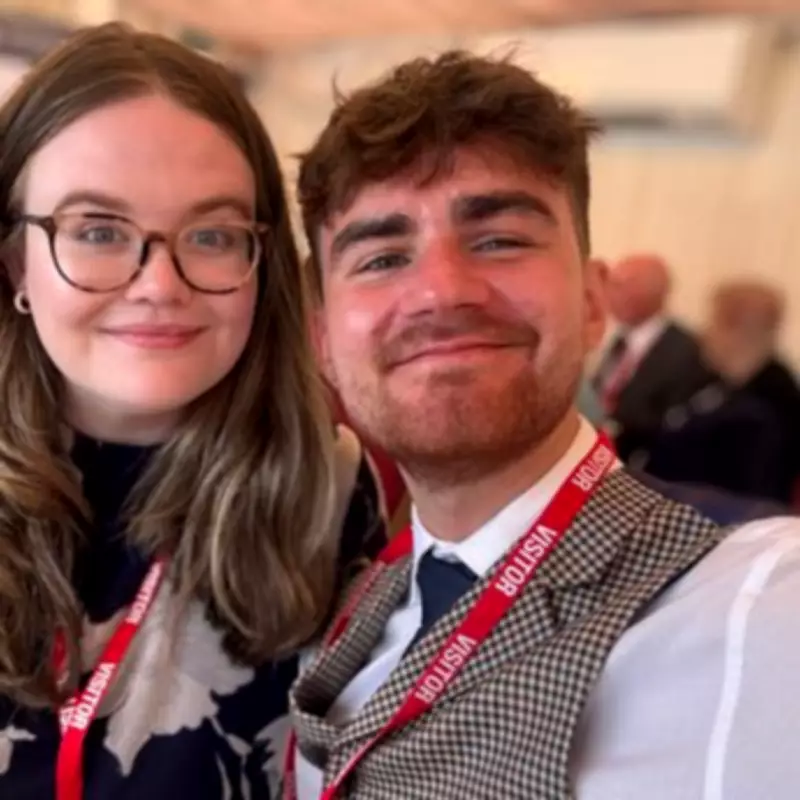
At just 21 years old, Owen Sutton, a student from Tamworth studying at Nottingham Trent University, received a life-altering diagnosis: a brain tumour. His parents burst into tears upon hearing the news, while Owen struggled to process the reality of his condition. This marked the beginning of a challenging journey that would include four brain surgeries and a rare stroke during his first operation, which left him unable to talk or walk, forcing him to relearn these basic skills at a young age.
A Personal Tragedy Fuels Advocacy Efforts
Now 27, Owen has become a vocal ambassador for the Brain Tumour Charity, driven by the tragic loss of three friends in their 20s to the same disease. He is urgently calling on the Government to increase funding for brain cancer research, aiming to transform it from a terminal into treatable condition. Owen highlights that brain cancer is the biggest cancer killer of children and adults under 40, with 87% of those diagnosed with a high-grade tumour dying within five years, yet it receives only 1% of the national cancer spend.
To amplify his message, Owen has placed a QR code in his window linking to a petition for more funding, hoping to gather more signatures and raise public awareness. He told BirminghamLive, "For too long brain cancer has been ignored. We are hoping that this debate will change the way people think."

From Misdiagnosis to Determination
Owen's symptoms began during his placement year for product design, with a fuzzy feeling in his leg that he initially attributed to overexertion from marathon training. As the sensation spread to his arms, his GP suspected multiple sclerosis, but his mother insisted on further scans, leading to the brain tumour diagnosis. The emotional impact was profound, with Owen recalling how he tried to joke about it initially before reality set in and he broke down in tears.
During his first surgery, the stroke he suffered was a rare complication, leaving him only able to say the word yes initially. He and his caregivers devised a communication system using swear words to indicate no, with a sign above his bed explaining his condition. Despite ongoing challenges, including a limp and limited use of his right hand, Owen refused to let his disability define him.
Overcoming Adversity with Resilience
Doctors advised Owen not to return to university after the stroke, but he chose hope over fear, determined to reclaim his life. He faced seizures, PTSD, and anxiety, yet graduated with a 2.1 from Nottingham University and secured a job at a tech company. Through charity work, he connected with others who had similar experiences, but the deaths of three young friends from brain tumours fueled his advocacy further.
Owen emphasized, "It ignited a fire inside me to do anything possible to ensure other parents don't have to go through what theirs have." He pointed out that this disease strikes during a crucial life stage when people are building careers and families, making it even more devastating.
Looking Forward with Optimism
Currently, Owen is participating in a clinical trial in London that has caused his tumour to start to shrink, leaving him feeling really positive about the future. He encourages others facing similar diagnoses to seek support from groups and charities early on, something he wishes he had done sooner. His story serves as a powerful reminder of the need for increased investment in brain cancer research to save lives and improve outcomes for patients nationwide.