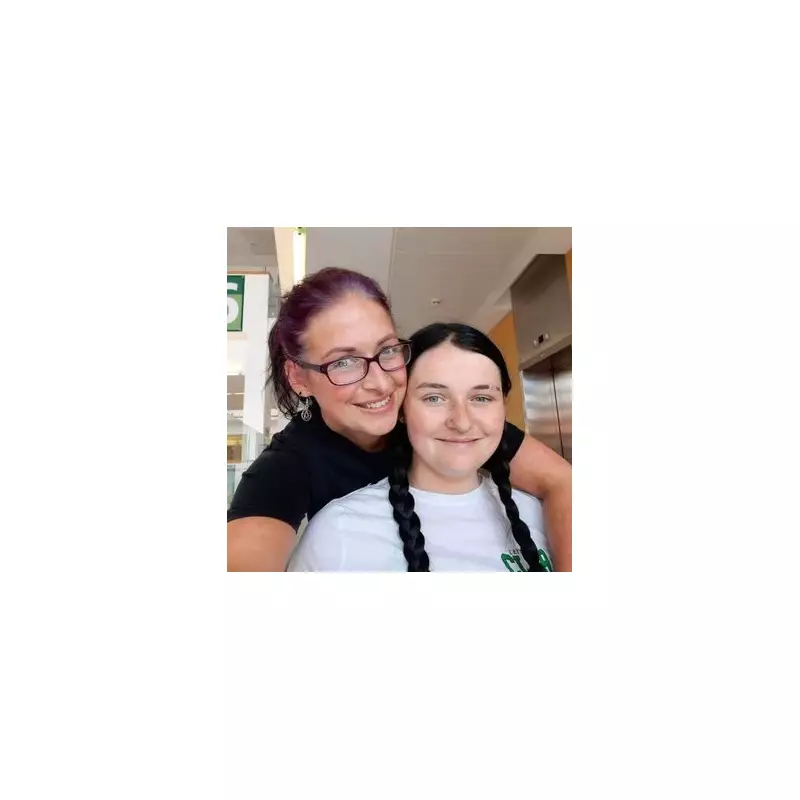
A Newcastle teenager's symptoms, initially dismissed as the pressure of GCSE exams, were later revealed to be caused by a life-threatening brain tumour.
From Exam Hall to Emergency Room
Katie-Jo Bartlett, who was 19 at the time, began experiencing disturbing symptoms during her GCSE examinations in 2022. She reported seeing unexplained 'colours' across her exam papers, which made her feel nauseous. Alongside this, she developed an unsteady, drunken-like gait and suffered from persistent back pain.
Despite seeking medical advice, her concerns were repeatedly attributed to 'exam stress' and she was told she might need vitamins. The situation reached a critical point in June 2022, the day after an exam, when Katie-Jo fainted in a bathroom during her mother's doctor's appointment. She was unconscious for around 25 minutes before being rushed by ambulance to Northumbria Specialist Emergency Care Hospital in Cramlington.
A Life-Saving Diagnosis and Treatment
Medical staff quickly diagnosed her with a severe case of hydrocephalus, a dangerous accumulation of fluid on the brain. She was transferred urgently to the Royal Victoria Infirmary in Newcastle to have the fluid drained. Doctors told her that without this immediate surgery, she would not have survived.
Subsequent MRI and CT scans uncovered the root cause: a brain tumour that was triggering the fluid build-up. While surgery confirmed the tumour was benign, its location meant it could not be safely removed. Katie-Jo has since undergone multiple operations, including the fitting of a permanent shunt to relieve pressure on her brain.
Living with a Permanent Condition
Katie-Jo, who now works in retail, must live with the tumour for the rest of her life. She undergoes MRI scans every eight months to monitor for any growth and manages tiredness caused by her shunt. Reflecting on her ordeal, she expressed immense gratitude to the medical teams, stating they had saved her life.
Shannon Winslade, head of services at The Brain Tumour Charity, highlighted the importance of sharing such stories to raise awareness. The charity offers support to families navigating the difficult journey of a brain tumour diagnosis, emphasising that they are not alone.