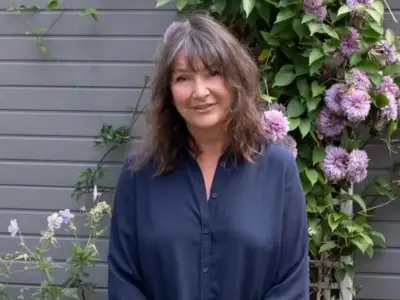
Woman's Battle with Rare Liver Disease and Colitis Inspires on Rare Disease Day
Kim Inott, a 29-year-old from Nuneaton, has shared her powerful story to mark Rare Disease Day, raising awareness about lesser-known liver conditions and their profound impact on individuals and families. Her journey began with symptoms that many might dismiss as ordinary fatigue, but they ultimately led to diagnoses of two devastating chronic conditions.
Early Symptoms and Diagnosis
From childhood, Kim experienced persistent tiredness, headaches, and stomach pains. However, when she turned 16, these symptoms intensified dramatically, becoming severe enough to disrupt her daily life. She recalls, "I kept complaining of headaches and falling asleep," which concerned her teachers and friends at college.
It was only after being admitted to hospital and undergoing a series of tests that Kim received her diagnoses. She was found to have primary sclerosing cholangitis (PSC), a rare autoimmune condition where inflammation and scarring cause the bile ducts to narrow. Additionally, she was diagnosed with ulcerative colitis, a long-term inflammatory condition affecting the colon and rectum.

Life-Altering Impact
"Having two chronic conditions was devastating," Kim explained. "They affected what I could do on a daily basis, and it was very difficult for people to understand that they wouldn't get better." The conditions forced her to give up gymnastics, a passion she had pursued for eight years, and her academic progress suffered significantly.
She missed so much of her college course that she was put back a year, which also led to the loss of friendships. "I missed so much of my course that I got put back for a year, which also caused me to lose friendships," she shared, highlighting the social and educational toll of her illnesses.
Determination and Support
Despite these challenges, Kim was resolute that her conditions would not dictate her life. She joined the British Liver Trust's PSC support group, which provided invaluable support and information for both her and her family. This community helped her navigate the complexities of living with rare diseases.
Kim also pursued a degree in physiotherapy, demonstrating remarkable perseverance. Although it took her seven years to complete due to her health struggles, she succeeded. During her first year, she was frequently hospitalized with infections in her liver and bowels, and her doctors were running out of treatment options.
"I was quite poorly and had no quality of life," Kim recalled. "I was fed by naso-gastric tube and would try to eat more, but the nausea was bad and I knew it would upset my bowels, so I was underweight and couldn't maintain my muscle."
Surgical Intervention and Improved Health
Relief came when Kim underwent a subtotal colectomy, a procedure in which her entire colon was removed and replaced with a stoma bag. In the three years since the surgery, her liver function has returned to normal. Apart from routine monitoring, she has not needed further hospitalizations.
"I'm now living a fairly normal life," Kim said. "My main symptom of the PSC is itching, but medication has helped with that. There's always the possibility that I might need a liver transplant, but there's a lot of research and drug trials into PSC and the liver."
She remains hopeful about medical advancements, noting that researchers are working on slowing disease progression or finding treatments that could prevent the need for transplants.
Raising Awareness on Rare Disease Day
Rare Disease Day is observed globally each year on February 28, aiming to increase awareness of rare diseases and improve access to diagnosis, treatment, and care for those affected. According to the British Liver Trust, thousands of people in the UK live with rare liver diseases, many of which face delayed diagnosis due to limited awareness and research.

Pamela Healy, OBE, Chief Executive of the British Liver Trust, emphasized, "Rare liver diseases may be less common, but for the thousands of people affected across the UK, their impact is life-changing. Too often, a lack of awareness leads to delayed diagnosis and unequal access to specialist care. We need greater understanding, earlier diagnosis, and sustained investment in research to ensure no one living with a rare liver condition is left behind."
Kim's story serves as a testament to resilience and the importance of support networks in managing chronic illnesses. By sharing her experience, she hopes to inspire others and advocate for better resources and understanding for those with rare diseases.