Hospice System on Verge of Collapse as Funding Crisis Escalates
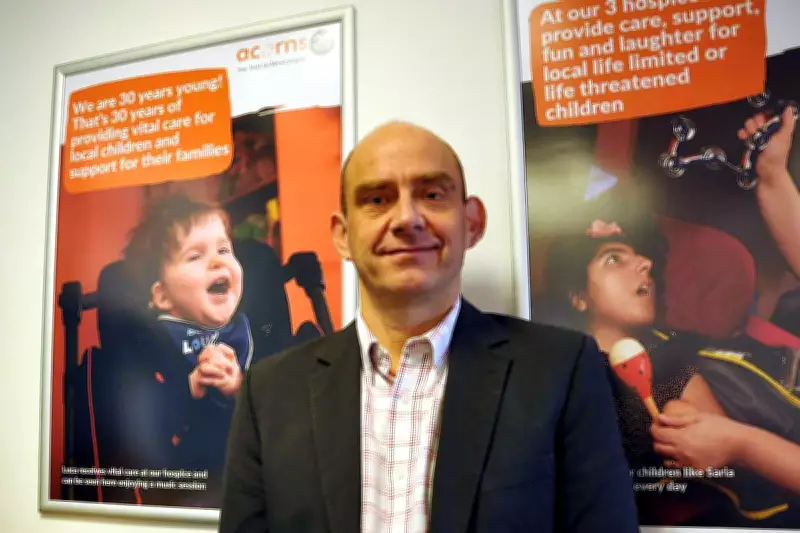
Toby Porter, CEO of Hospice UK and former head of Acorns Children's Hospice, has issued a dire warning that the UK's palliative care system is teetering on the brink of collapse. This alert follows two major parliamentary reports from the Public Accounts Committee and the Health and Social Care Committee, which both conclude that the current funding and support model for hospices is fundamentally broken.
Parliamentary Reports Expose Systemic Failures
The reports highlight a critical failure to meet rising demand for end-of-life care, with national health and social care bodies not responding with adequate urgency to the financial turmoil engulfing the hospice sector. They point to an over-reliance on local NHS Integrated Care Boards (ICBs) for funding, coupled with inconsistent commissioning of palliative services, creating a patchwork approach that drives stark regional inequalities in access to care.
The core issue is an unsustainable model that outsources too much specialist care to charitable funding, leaving hospices struggling to cover escalating operational costs. Over the past four years, rapidly rising expenses have exposed the limits of this framework, making it impossible for many hospices to raise sufficient funds from local communities beyond what they receive from the NHS.

Service Cuts and Bed Closures Intensify
Data from Hospice UK reveals alarming trends: more than 10% of hospices have already implemented significant service cuts in the last two years, and nearly 60% in England are either making or considering reductions to frontline care. This has led to the closure of 380 beds due to unaffordable staffing costs and a decrease in specialist community visits to patients' homes, precisely when such services should be expanding to meet growing demand.
These cuts not only heap additional pressure onto an already overloaded NHS but also undermine efforts to shift more care into community settings, as emphasized by the Public Accounts Committee's call for clarity from NHS England on delivery plans.
Calls for Immediate Action and Reform
Both parliamentary committees advocate for stronger national oversight and reform, including the use of the Modern Service Framework (MSF) to define services, clarify hospice roles, and establish fair, sustainable funding levels. However, concerns persist that the MSF may be too little, too late, with many hospices facing immediate financial cliffs.
Key demands from Hospice UK include:
- Fair and immediate funding for hospices, without delay.
- Full funding of specialist palliative care services by local NHS commissioners, whether in inpatient units, homes, clinics, or hospitals.
- Proper NHS contracts for hospices, featuring fair, multi-year agreements based on national cost models, with regular reviews and flexibility for rising demand.
- Funding to cover NHS pay rises for hospice staff, preventing costs from draining charitable income.
- National accountability to ensure equitable access to palliative care, eliminating geographic disparities.
Capital Funding Falls Short of Operational Needs
While government-provided capital funding has been welcomed for enabling improvements in patient experience and digital investments, it cannot address day-to-day running costs. Operational expenses such as nurses' salaries, fuel for community teams, and rising energy bills continue to push hospices toward a financial precipice, widening the gap between available funds and patient needs.
The Health and Social Care Committee's report recommends accountability measures for ICBs and the Department of Health and Social Care, to be outlined in the MSF interim report due this spring. Yet, with many hospices already forced into cuts, there is a real risk that these efforts will not suffice to alleviate immediate pressures.

Urgent Steps to Prevent Further Decline
To avert a total collapse, targeted support must be provided to hospices under severe financial strain, protecting vital services for local communities. As Toby Porter asserts, good palliative and end-of-life care should not depend on geography or erratic local funding. The reports have clearly outlined the scale of the crisis; now, decisive action is needed to secure lasting change for hospices and the patients they serve.