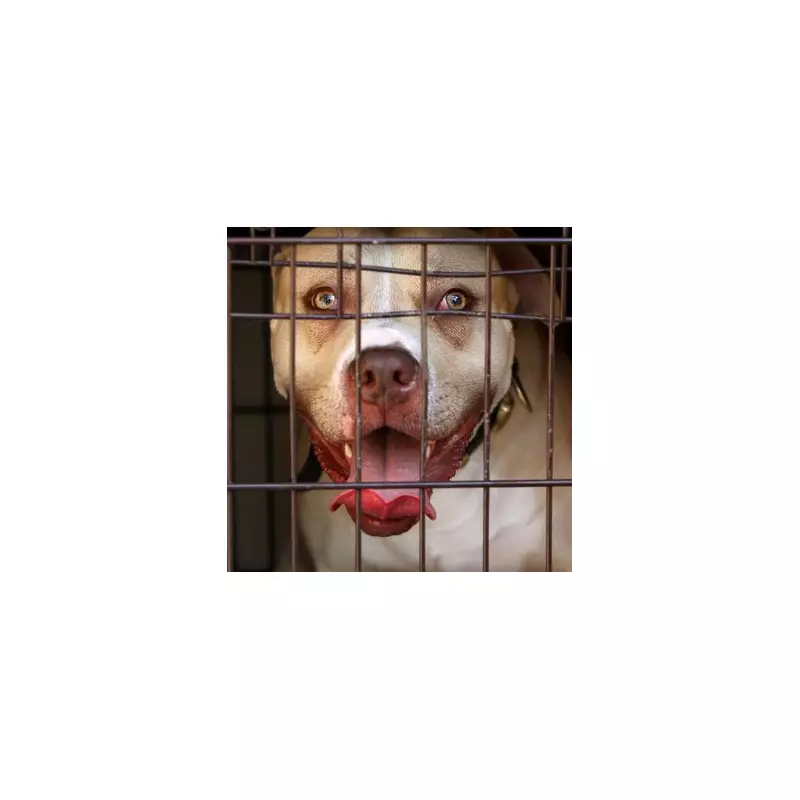
Pet owners across the UK are being urged to pay close attention to an unusual but telling sign that their dog may be in pain. Veterinary professionals have issued a stark warning that if your canine companion starts to emit a persistent, fish-like odour, it is likely a symptom of a significant underlying health issue that requires prompt attention.
Why Does My Dog Smell Like Fish?
The distinctive and unpleasant smell is most commonly linked to a dog's anal glands, also known as anal sacs. These small glands, located on either side of the animal's rectum, normally release a small amount of pungent fluid during defecation. This acts as a scent marker. However, when these glands fail to empty properly, they can become blocked or impacted, leading to a strong, fishy smell that clings to the dog.
This is far more than a simple grooming or hygiene problem. It is a clear medical signal that something is wrong. Owners might also notice their pet exhibiting signs of discomfort, such as scooting its rear end across the floor or carpet, excessive licking of the area, or apparent pain when sitting.

The Serious Risks of Ignoring the Signs
Leaving impacted anal glands untreated can lead to severe and painful complications. The built-up fluid creates the perfect environment for bacteria to thrive, which can quickly turn into a painful infection.
This infection can then develop into an abscess—a swollen, pus-filled mass that causes extreme discomfort. These abscesses can grow and eventually rupture through the skin, which is not only distressing for the animal but also opens the door to more widespread health issues. In such advanced cases, surgical intervention may become necessary to resolve the problem.
Prevention and Veterinary Care
The immediate course of action for any owner noticing this odour or associated behaviour is to consult a veterinarian without delay. A vet can perform a physical examination and, if needed, manually express (empty) the blocked glands to provide immediate relief. If an infection is present, a course of antibiotics will typically be prescribed.
Prevention is often linked to diet. A lack of dietary fibre is a common contributing factor, as firm stools help to naturally compress and empty the anal sacs during bowel movements. Vets may recommend a diet change or fibre supplements to help maintain healthy gland function and prevent recurrence.
While any breed of dog can suffer from anal gland issues, smaller breeds like Spaniels and Terriers are considered more prone. Owners of these dogs should be particularly vigilant and may benefit from mentioning gland checks during routine veterinary visits.
Ultimately, a fishy smell emanating from your dog is its way of signalling for help. Recognising this sign and seeking professional care promptly can prevent a minor issue from escalating into a major, painful health crisis for your beloved pet.