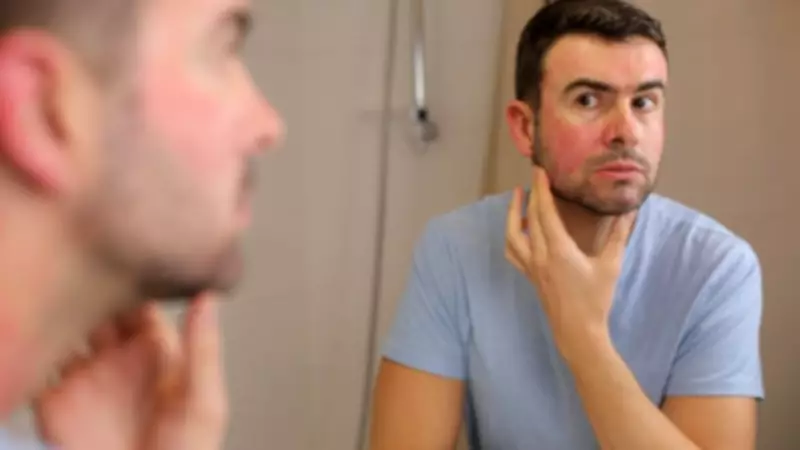
That persistent flush across the nose and cheeks is far more than a simple sign of life's experiences; for many men over the age of fifty, it represents a clinical inflammatory skin condition known as rosacea. Characterised by a constant 'red alert' state in the skin, this issue can significantly impact self-esteem and comfort, yet it remains widely misunderstood.
The Reality of Rosacea: More Than Just a Red Nose
What might be casually dismissed as a 'postbox' nose or the result of a life well-lived is frequently a diagnosable medical condition. As noted by prominent dermatologist Dr Muneeb Shah, persistent redness on the nose in men over fifty is commonly caused by permanently dilated blood vessels, placing the skin in a chronic inflammatory state.
"Your skin is essentially stuck in 'red alert' mode," explains Dr Shah. Left unmanaged, this can progress to phymatous rosacea, involving a thickening of the skin on the nose. The National Health Service clarifies that while rosacea cannot be cured, treatment from a GP is crucial to control symptoms and prevent worsening.

Identifying Your Personal Triggers
Understanding what provokes a flare-up is a critical step in management. Common triggers form a checklist that many will recognise:
- The Thermal Effect: Hot drinks like tea or soup, and even gravy, can raise internal body temperature enough to spark redness.
- Harsh Cleansing: Standard bar soaps can strip the skin's natural protective barrier, exacerbating irritation and making redness appear more pronounced.
- Ultraviolet Exposure: Sun damage remains a leading cause of permanent visible blood vessels, even on overcast British days.
- Environmental Extremes: The classic British combination of cold wind and dry central heating creates a perfect storm for triggering symptoms.
The NHS advises that rosacea is not caused by poor hygiene and is not contagious. Management often involves identifying and avoiding personal triggers, such as alcohol or spicy foods.
Medical Pathways and Supportive Skincare
If symptoms cause discomfort, seeking medical advice is essential. A GP may suggest several approaches:
- Prescription creams or gels applied directly to the skin.
- Courses of oral antibiotics lasting between six and sixteen weeks.
- Referral to a dermatologist if initial treatments prove ineffective.
Alongside medical treatment, adopting a gentle, minimalist skincare routine—often termed 'Skinimalism'—can provide significant relief. Key supportive measures include using a non-foaming, gentle cleanser, applying a daily high-factor SPF 30+ sunscreen, and using moisturisers designed to calm and repair the skin barrier.
Warning Signs and Seeking Help
Recognising the symptoms is vital for early intervention. Warning signs extend beyond simple redness and can include:
- A burning or stinging sensation when using water or skincare products.
- Transient redness across the nose, cheeks, forehead, and chin, often accompanied by a feeling of warmth or pain.
- Dry skin, swelling around the eyes, or sore eyelids.
- Over many years, a thickening of the skin on the nose may develop.
For those feeling anxious or depressed about their condition, organisations like the charity Changing Faces offer advice and support, including a dedicated helpline.
Addressing rosacea is not a matter of vanity but of health maintenance. Ignoring constant facial inflammation is akin to disregarding a persistent warning light. For many men, finding an effective management plan, which may include targeted skincare products, provides not just physical relief but a valuable boost in confidence, allowing them to see themselves clearly in the mirror once again.