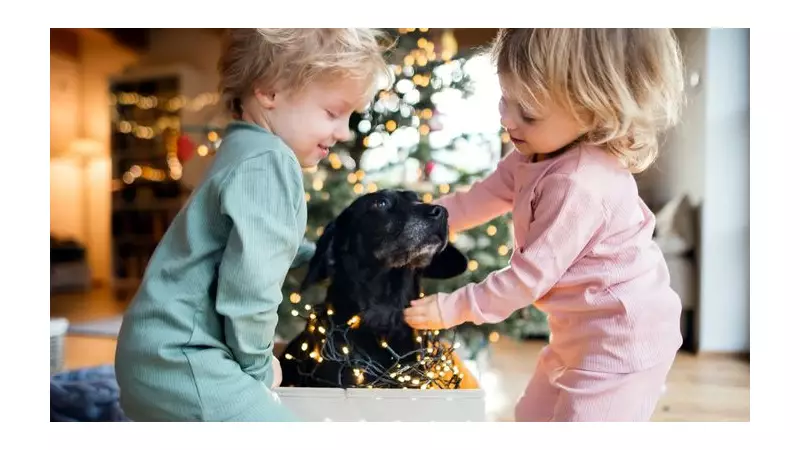
As festive gatherings fill homes across the UK, a leading veterinary expert has issued a crucial safety warning for families with dogs. Dave Martin, Group Director of Animal Welfare at IVC Evidensia, stresses that the Christmas period's excitement and influx of visitors can inadvertently trigger territorial aggression in pets, even those normally considered harmless.
The Importance of Educating Children
Martin highlights that a core component of prevention is educating young guests. Teaching children to respect and understand canine body language from an early age is vital, he explains. The chaos of celebrations, with excited children and unfamiliar faces, increases the risk of misunderstandings between dogs and youngsters.
He advises that interactions should always be supervised, and dogs should never be left alone with children during the festivities. Recognising early, subtle warning signs is a key skill for both adults and children to learn.

Recognising Signs of Stress and Creating a Safe Retreat
According to Martin, owners must be vigilant for signals that a dog is feeling overwhelmed. Behaviours like a stiffened posture, lip licking, or intense staring often precede more obvious growling or snapping. Spotting these early cues allows for calm intervention before a situation escalates.
Equally important is ensuring the dog has its own sanctuary. "It's crucial to provide dogs with their own safe space—such as a bed or crate—where they can retreat and be left alone if needed," Martin said. This quiet area, away from the festive hubbub, allows pets to decompress and reduces their stress levels.
How to Respond and When to Seek Expert Help
If a dog does snarl or show aggression, Martin's advice is clear: respond calmly and separate the dog and child immediately. He strongly warns against punishment, as this can increase the animal's fear and potentially worsen aggressive reactions.
For persistent issues or if aggression appears, seeking prompt professional guidance from a vet or a qualified dog trainer is essential. An expert can help identify the specific triggers behind the behaviour and develop a structured plan to prevent future incidents, ensuring a happier and safer environment for all.
Key Safety Tips for a Pet-Safe Christmas:

- Provide a quiet retreat like a separate room or crate for your dog.
- Teach children to recognise warning signs like stiff postures or lip licking.
- Always supervise interactions between dogs and excited visitors.
- If trouble arises, separate calmly and never punish the dog.
- Consult a vet or qualified trainer for expert advice on any aggressive behaviour.