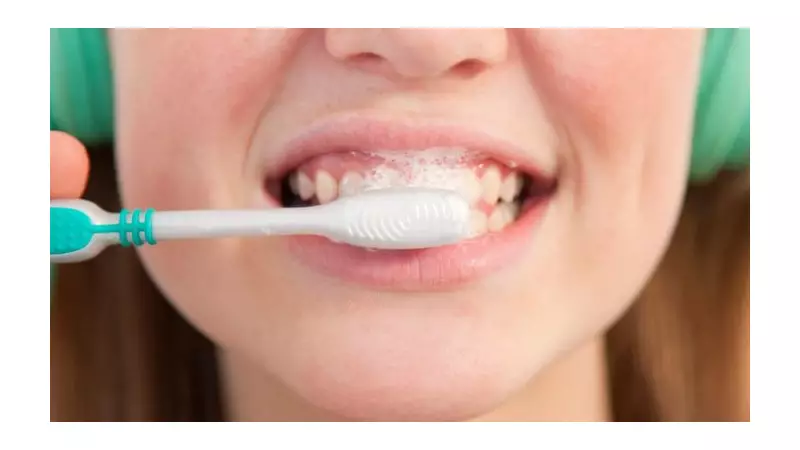
Most of us are confident in our brushing habits, but a leading dentist has issued a warning that could change your morning routine. Common mistakes made before 8am could be quietly undermining your long-term dental health, even if you never skip brushing twice a day.
The Critical Importance of Timing
According to dentist Dr Murray Pratt from Forever Dental and Skin, while frequency is important, the timing of your brush is crucial for controlling plaque and protecting tooth enamel. "Most patients focus primarily on how often they brush," he explains. "However, the timing of toothbrushing can significantly influence how well we maintain the health of the teeth and gums throughout the day."
Dr Pratt identifies the optimal 'sweet spot' for morning brushing as around 7:15am, or immediately after waking. This is because oral bacteria multiply significantly overnight, leading to that familiar coated feeling and morning breath. Brushing soon after waking disrupts this bacterial build-up before it can progress further.

Why You Must Brush Before Breakfast
The expert strongly recommends brushing as soon as you get out of bed, even if it feels counterintuitive. "When you brush first thing in the morning, you are not only removing plaque. You are also applying a protective fluoride layer over the enamel before exposing it to acidic or sugary foods and drinks," he clarifies.
This early application of fluoride toothpaste creates a barrier that helps your teeth withstand acids from common breakfast items like orange juice, cereal, or jam. It also stimulates saliva flow, which aids in food breakdown and helps neutralise harmful bacteria.
Brushing immediately after eating breakfast, however, can be harmful. If you've consumed anything acidic or sugary, your enamel is left in a softened state. "If you brush while your enamel is still softened, you can gradually wear away the outer surface," cautions Dr Pratt. This damage can occur even with diligent brushing habits.
Perfecting Your Evening and Post-Coffee Routine
Your nighttime routine is equally vital. Dr Pratt advises going to bed with teeth as clean as possible to avoid leaving food debris and sugars on them for hours. For the best overnight defence, brush thoroughly with fluoride toothpaste as the last thing you do before sleeping, avoiding any snacks or drinks afterwards—plain water is the only safe option.
For coffee lovers, a specific warning is issued. Coffee is acidic, and brushing too soon after your cup can spread that acid and increase erosion risk. Instead, wait 20 to 30 minutes after your coffee before brushing. Rinsing with water during this interval can help dilute acidity and minimise potential staining.
By adjusting these simple timings—brushing upon waking, waiting after coffee, and ensuring a thorough clean before bed—you can provide your teeth with significantly stronger protection throughout the day and night.