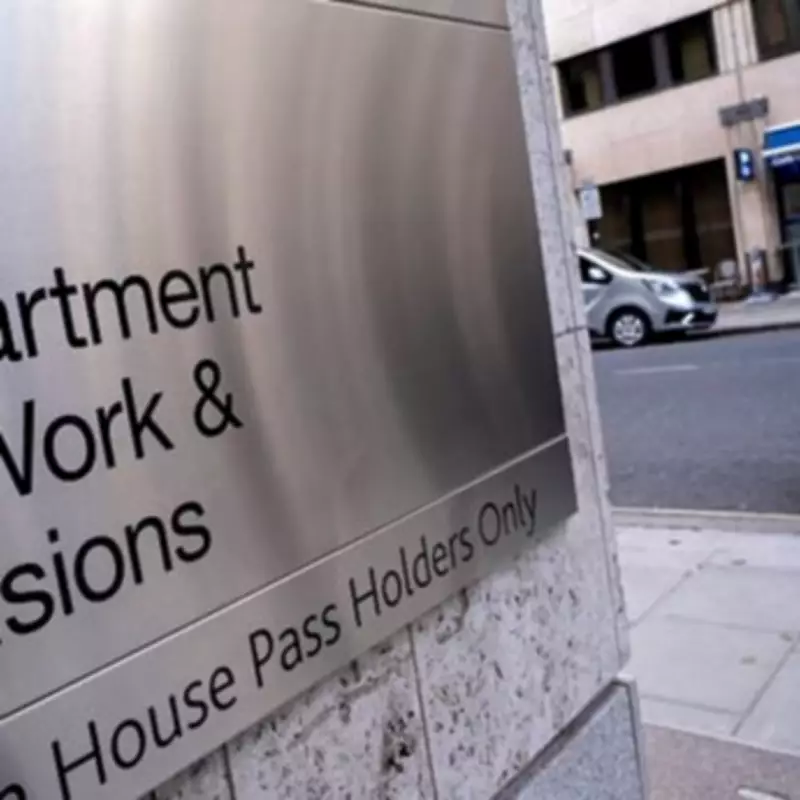
The Department for Work and Pensions has unveiled significant reforms to the Personal Independence Payment system, with sweeping changes scheduled to commence from April 2026. These substantial modifications will see award durations extended considerably while simultaneously increasing the proportion of face-to-face assessments conducted.
Extended Award Periods for PIP Claimants
Under the new framework, Personal Independence Payment award lengths will be substantially prolonged for new claims beginning in April 2026. The minimum award period will increase to three years, with subsequent reviews potentially extending this to five years for eligible claimants aged 25 and above who continue to meet the necessary criteria.
This represents a dramatic shift from the current system, where review intervals can be as brief as nine months, often resulting in no alteration to the claimant's award status during reassessment. The extension aims to provide greater stability for recipients while allowing the DWP to redirect resources toward addressing assessment backlogs.

Increased Face-to-Face Assessment Targets
Parallel to the award extensions, the DWP plans to significantly ramp up the proportion of face-to-face assessments conducted. For Personal Independence Payment evaluations, the target will increase from just 6 percent in 2024 to 30 percent of all assessments. Similarly, Work Capability Assessment face-to-face meetings will rise from 13 percent to 30 percent of total evaluations.
This strategic shift toward more in-person assessments reflects the government's commitment to ensuring thorough evaluation processes while addressing the substantial backlog of Work Capability Assessments that has accumulated within the system.
Government Rationale and Financial Implications
DWP officials have framed these reforms as essential measures to transform what they describe as a "broken welfare system" inherited from previous administrations. By extending the intervals between assessments, the department aims to verify that claimants' conditions continue to qualify them for PIP support while reducing administrative burdens.
Pat McFadden, the DWP chief, emphasised the government's determination to reform a system that has "for too long written off millions as too sick to work." He highlighted the dual approach of increasing face-to-face assessments while tackling the inherited backlog of people awaiting Work Capability Assessments.
The department projects that these comprehensive reforms will generate substantial savings of approximately £1.9 billion. According to official statements, this financial efficiency will contribute to creating a welfare state that effectively supports those in genuine need while simultaneously encouraging employment participation and ensuring fairness for taxpayers.
Implementation Timeline and Broader Context
The rollout of these significant PIP modifications will begin in April 2026, providing a two-year preparation period for both the department and claimants to adjust to the new framework. These changes form part of broader welfare system reforms under the current Labour Party government, which has prioritised overhauling disability benefit assessment processes.
The DWP maintains that reassessments serve a crucial function in monitoring how health conditions and disabilities evolve over time, ensuring that support remains appropriately targeted toward those with ongoing needs. The extended award periods combined with increased face-to-face assessments represent a balanced approach to improving system efficiency while maintaining rigorous eligibility verification.