Disabled Artist's £62,500 DWP Grant Cut Leaves Business in Ruins
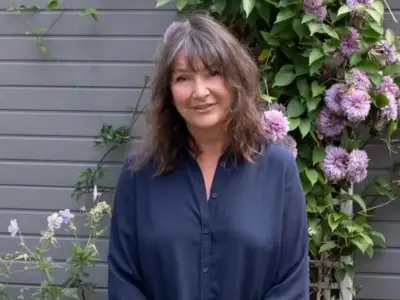
Michelle Baharier, a 62-year-old disabled artist, has spoken out about how a staggering £62,500 reduction in her Department for Work and Pensions (DWP) grant has "wrecked" her business and severely impacted her health. In an interview with a national newspaper, she detailed the devastating consequences of the cut, which has forced her to halt key aspects of her work and seek mental health support due to the overwhelming stress.
Severe Health Conditions and Business Struggles
Michelle, who is self-employed, suffers from severe dyslexia, Dupuytren’s disease in her hands, and crushed discs in her spine. She had been accessing the DWP's Access to Work scheme, which provides support to disabled people to help them start or stay in employment. However, her three-year support package was slashed from £117,312 to £54,750 in 2024, representing a massive financial blow that has crippled her ability to operate her business effectively.
She explained, "I’ve completely stopped doing photoshoots because I can’t carry a camera, tripods, lights, everything else. I can’t do it without someone with me, so I’ve had to stop all that side of my work, and that was quite a good side for getting money in, so that’s been a real loss to me." This loss of income has compounded her difficulties, leaving her struggling to cope both financially and emotionally.

Mental and Physical Health Toll
The stress from the grant cut has taken a significant toll on Michelle's health. She revealed, "I’m all over the place and I’m not coping. I’ve needed to access mental health services because of the stress, it’s really taken a toll on my health, mentally and physically." Additionally, she highlighted practical challenges, stating, "There’s so much I need help with; I haven’t got anyone to check on my deadlines and all that kind of thing. It’s really problematic. I have missed hundreds of deadlines that I should have met, in terms of submitting work and getting to exhibitions."
Broader Context of Access to Work Cuts
Michelle's case comes amid accusations of stealth cuts to the Access to Work scheme by the DWP. Action on Disability (AoD) has previously warned that the average support hours for disabled people they work with have plummeted from 22.5 to just four over the last two-and-a-half years. This trend raises concerns about the adequacy of support for disabled individuals in the workforce, potentially undermining their employment opportunities and independence.
DWP Response and Scheme Challenges
In response, a DWP spokesperson said, "Access to Work supports thousands of sick and disabled people to start or stay in work, but demand for the scheme has grown significantly and the number of people supported has nearly doubled in five years. We know from employee and employer feedback that we inherited issues in the scheme, which is why we’re working with disabled people and their organisations to improve it." This statement acknowledges the increased demand and historical problems within the scheme, but offers little immediate relief for those like Michelle who are currently facing severe cuts.
The situation highlights the critical need for sustainable funding and effective management of support programs for disabled workers, ensuring they can contribute to the economy without facing undue hardship.