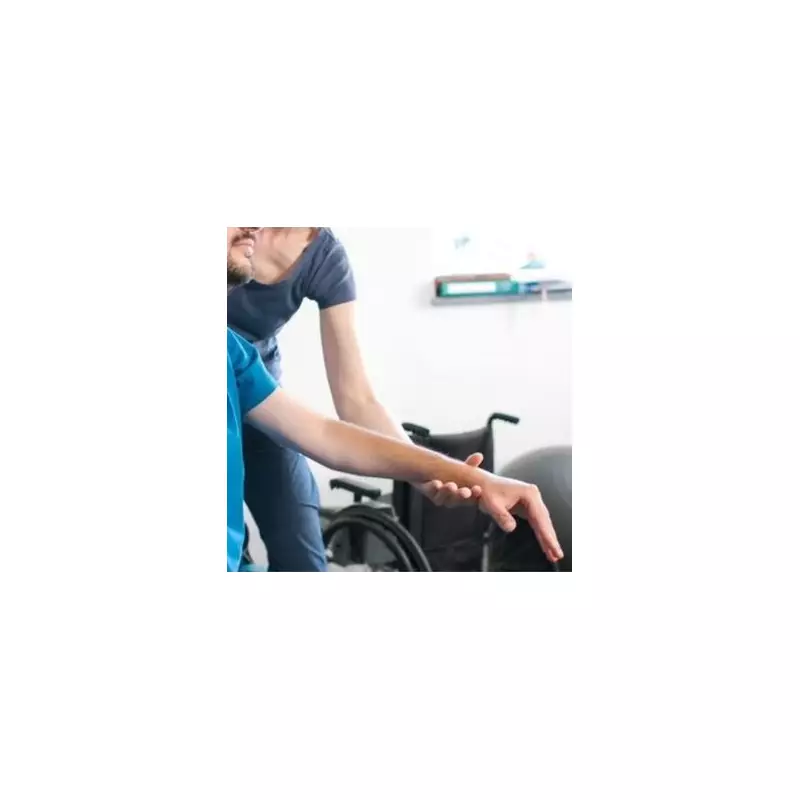
The Department for Work and Pensions (DWP) is providing crucial financial support to 1.2 million people across the United Kingdom who are living with musculoskeletal conditions. These individuals are receiving payments through the Personal Independence Payment (PIP) scheme, which offers support for over 85 different musculoskeletal (MSK) disorders.
Understanding PIP Support for Musculoskeletal Conditions
Musculoskeletal conditions encompass a wide range of injuries and disorders that affect the body's movement or musculoskeletal system. This includes problems with muscles, tendons, ligaments, nerves, discs, and blood vessels. The DWP recognises the significant impact these conditions can have on daily life and provides financial assistance accordingly.
A successful PIP claim can now provide recipients with between £29.20 and £187.45 per week in additional support. As the benefit is paid every four weeks, this translates to payments of between £116.80 and £749.80 for each payment period. This financial aid is designed to help cover the extra costs associated with living with a long-term health condition.

Comprehensive List of Covered Conditions
The DWP's support extends to an extensive range of musculoskeletal problems. These are broadly categorised into generalised conditions and regional disorders, providing coverage for numerous specific diagnoses.
General Musculoskeletal Conditions
The list of general conditions includes osteoarthritis affecting various joints, chronic pain syndromes such as fibromyalgia and chronic fatigue syndrome, and inflammatory arthritis including rheumatoid arthritis and ankylosing spondylitis. Coverage also extends to crystal deposition disorders like gout, metabolic conditions such as osteoporosis, and genetic disorders including osteogenesis imperfecta and Marfan's syndrome.
Regional Musculoskeletal Disorders
Regional conditions cover specific areas of the body and include frozen shoulder, carpal tunnel syndrome, tennis elbow, and non-specific back pain. The support also applies to specific back problems like lumbar disc lesions and spinal stenosis, hip disorders including Perthes disease, and knee conditions such as ligamentous instability and meniscal lesions. Additionally, coverage includes ankle and foot disorders, amputations, and various fractures or dislocations affecting different body regions.
This comprehensive approach ensures that individuals with a wide spectrum of musculoskeletal issues can access the financial support they need to manage their conditions and maintain their quality of life.