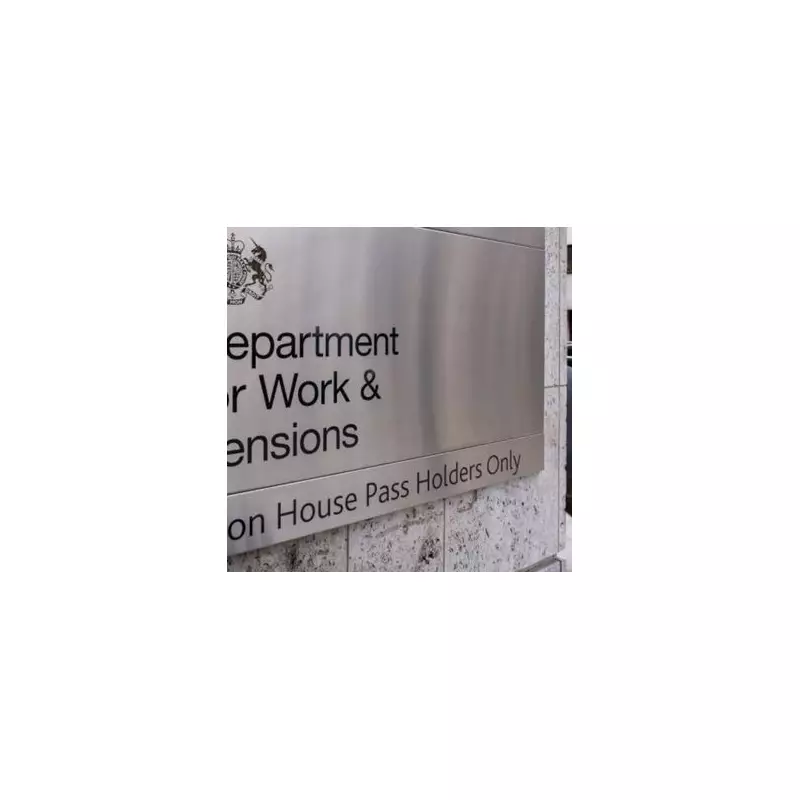
Official government projections have revealed a dramatic increase in the number of people expected to rely on disability benefits, with one in eight UK households set to receive payments from the Department for Work and Pensions (DWP) by the start of the next decade.
Soaring Numbers and a £40bn PIP Bill
The DWP now forecasts that 8.7 million people will be claiming welfare linked to a disability by 2030. This marks a significant rise from the current figure of just under seven million, which equates to roughly one in ten people.
Among the most eye-catching figures is the projected growth for Personal Independence Payment (PIP). Claims for PIP are expected to surge by 40 per cent to 5.4 million within the same timeframe. This escalation is predicted to carry an annual price tag of £40 billion for the public purse. Other benefits such as Disability Living Allowance (DLA) are also included in the overall total.

Political Reactions and Calls for Reform
The stark statistics have prompted strong responses from across the political spectrum. A spokesman for the Labour Party government stated they were addressing the "broken welfare system" they inherited. They pointed to a package of measures designed to tackle assessment backlogs and save nearly £2bn, alongside reforms to Universal Credit and a review of the PIP system.
However, critics argue the situation is spiralling. Joe Shalam of the Centre for Social Justice warned, "PIP is out of control," highlighting that mental health claims have tripled since 2019. He urged the government to adopt his think tank's plan to reduce the benefit bill and help people back into work.
Adding to the pressure, Conservative Shadow Welfare Secretary Helen Whately said: "No one is surprised to see PIP numbers up again. This Government is incapable of getting a grip of welfare." The Government reiterated its commitment to fixing the system and ensuring PIP is "fit and fair."
What Do These Projections Mean?
The data signals a profound and costly shift in the UK's welfare landscape. The rise in claims, particularly linked to mental health conditions, presents a major policy challenge. The debate now centres on balancing adequate support for those with genuine needs against the sustainability of a benefit bill that is growing faster than anticipated.
With the next decade approaching, the pressure is on ministers to demonstrate that their reforms can successfully manage these escalating costs while providing effective support and pathways to work where possible.