West Midlands Mother with Spinal Muscular Atrophy Advocates for Disability Positivity
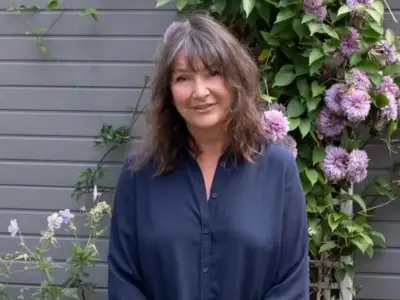
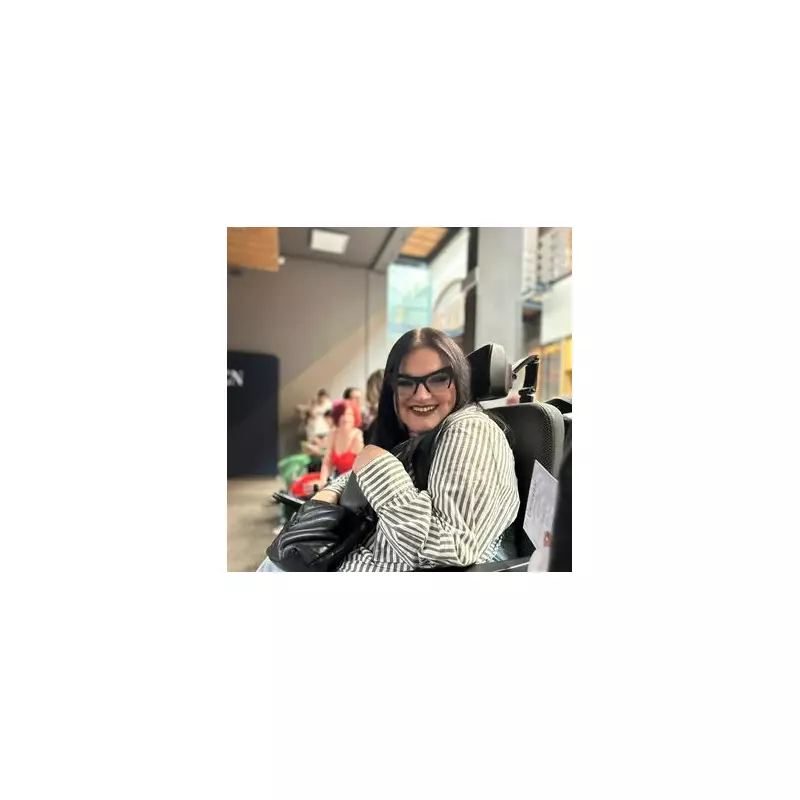
A resilient mother from the West Midlands, who shares the same genetic condition as a pop star's twin daughters, is passionately challenging societal perceptions about disability. Kelly Gordon, aged 36, lives with Spinal Muscular Atrophy Type 3 and firmly declares she "wouldn't trade her disability", crediting it with shaping her character and worldview.
Living with Spinal Muscular Atrophy Type 3
Kelly received her SMA Type 3 diagnosis at just two years old, though her family had no prior history of the condition. The progressive neuromuscular disorder affects muscle strength and mobility, yet Kelly maintained the ability to walk until age 11 before transitioning to full-time power chair use. "I wouldn't change that journey," she reflects, "because it's given me so much strength and understanding of myself and other people."
Her condition primarily impacts standing and walking capabilities, with additional challenges in arm strength and hand dexterity. Daily mobility often requires support from her husband and specialized equipment, with energy levels fluctuating based on activity. "My body can, after a few days, sort of feel the impact of that and then get quite fatigued," Kelly explains about her busy lifestyle.

Challenging Disability Narratives in Media
Kelly co-founded the production company With Not For during the COVID-19 pandemic alongside business partner Emma Gardner. Their mission centers on transforming how disabled individuals are portrayed across media landscapes. The company exclusively represents disabled talent both on-screen and behind the scenes, collaborating with major organizations including Channel 4, Guinness, and the Six Nations.
"Our main goal is to change the way disabled people are viewed within the media," Kelly states, addressing what she sees as problematic extremes in disability representation. "One end of the scale is like, it's really sad to be disabled... And then the other side is you're a Paralympian, you're so successful, you're inspirational. There's nothing in between."
She emphasizes the importance of showcasing ordinary disabled lives: "Those middle ground stories where we are living our lives, enjoying ourselves, we're building businesses, we're starting families. There's nothing to see here."
Personal Journey and Family Life
Kelly's diagnosis emerged when her younger brother showed developmental delays at six months old, leading to both siblings receiving SMA Type 3 diagnoses. Now a mother of two boys aged five and eight, neither child has developed SMA though they carry the genetic predisposition.
Reflecting on her childhood, Kelly attended mainstream school and adapted playground activities to participate with friends. "I'm very, very grateful for that, which sounds like a very strange thing to say, but it's true," she remarks about her disability's influence. "I can't even imagine what person I would be if I didn't have a disability."
Addressing Broader Societal Attitudes
Kelly connects her perspective to recent news about former Little Mix star Jesy Nelson, whose twin daughters were diagnosed with SMA Type 1. "It doesn't mean her children are going to be any less incredible or successful or interesting or funny," she asserts about disability not defining life potential.
She identifies accessibility barriers extending beyond physical infrastructure to include attitudinal obstacles. "We're often let down by society, and that's a real shame, because things aren't accessible to us, even attitudes aren't accessible sometimes," Kelly observes, noting how even simple activities like grocery shopping can elicit misplaced admiration.
"Disability is one of the only 'minority groups' that anyone can join at any time," she concludes, advocating for greater societal understanding. "People need to prioritise getting a better understanding of what it actually means to be disabled and how society can make life better for everyone."

For Kelly Gordon, disability represents not limitation but foundation: "For me, my character, my morals, the way I raise my children, is so deeply rooted in my disability because it's taught me so much about how to be a good person." Her message resonates as a powerful testament to redefining disability narratives in contemporary Britain.