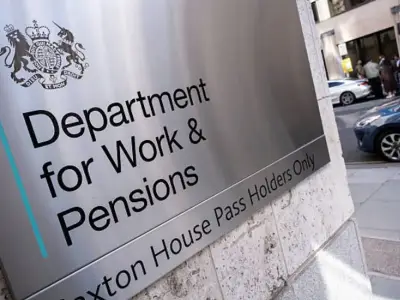
The Department for Work and Pensions (DWP) has confirmed the benefit payment dates for June 2026, urging households to verify available support as energy bills are set to rise sharply.
Energy Price Cap Increase
Energy regulator Ofgem announced that the energy price cap will increase by £221 annually to £1,862 from July, a rise of nearly 13%. This follows instability in global oil and gas markets, adding pressure on households already facing high food, housing, and borrowing costs.
Benefits Paid in June
The DWP states that payments will proceed as normal throughout June, with no bank holidays affecting the schedule. Benefits due include:

- Personal Independence Payment (PIP)
- Disability Living Allowance (DLA)
- Attendance Allowance
- Carer's Allowance
- Universal Credit
- State Pension
- Pension Credit
- Child Benefit
The State Pension is paid every four weeks, with the payment day determined by the last two digits of the claimant's National Insurance number: 00-19 Monday, 20-39 Tuesday, 40-59 Wednesday, 60-79 Thursday, 80-99 Friday.
Benefit Increases Already in Effect
Benefit rates rose in April. Universal Credit standard allowances increased by 6.2%. For a single claimant aged over 25, the standard allowance rose from £92 to £98 per week. Couples aged over 25 saw payments increase from £145 to £154 per week. Most disability and working-age benefits rose by 3.8%. The full new State Pension increased by 4.8% under the triple lock, now £241.05 per week. However, changes to the health-related element of Universal Credit mean new claimants receive £50 per week instead of £105, with existing claimant rates frozen until 2029.
Support from Energy Firms and Broadband Companies
Major energy providers including British Gas, EDF, Octopus Energy, and Scottish Power offer hardship schemes and grants. Households on lower incomes may qualify for discounted broadband and water social tariffs, and some families can receive up to 100% council tax support depending on circumstances.
Extra Help Available
Councils in England are distributing assistance via the new Crisis and Resilience Fund, which replaced the Household Support Fund and discretionary housing payments in April. The scheme includes crisis payments for financial emergencies and housing payments for rent deposits, shortfalls, or moving costs. The DWP advises councils to adopt a cash-first approach. Universal Credit claimants may also be eligible for budgeting advance loans: up to £348 for single people, £464 for couples, and £812 for households with children. These loans are interest-free and repaid through future benefit deductions.
Unclaimed Benefits
Despite financial strain, billions in support remain unclaimed. According to Policy in Practice figures referenced by the DWP, approximately £24 billion in benefits and assistance goes uncollected annually. The DWP reports that about 24 million people currently receive some form of benefit or State Pension support, roughly one in three people in Britain. No new DWP cost of living payments are scheduled for 2026 following the conclusion of the previous scheme in February 2024.