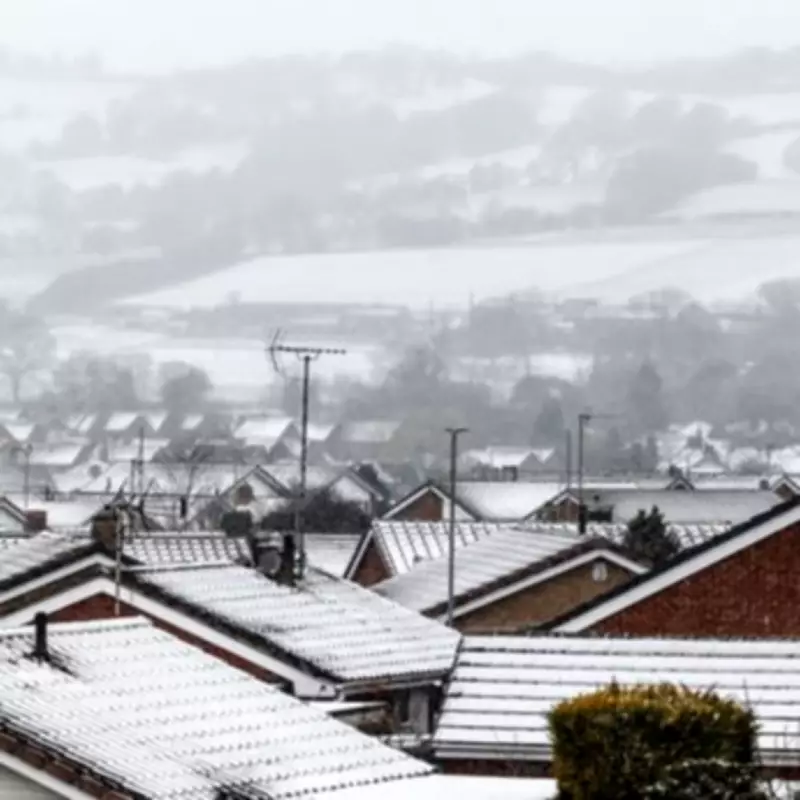
Midlands Braces for 17-Hour Met Office Snow and Ice Alert
Parts of the Midlands region are under a new Met Office yellow weather warning for snow and ice, set to last for seventeen hours from tomorrow evening. The alert, which covers northern England and extends into Staffordshire, is expected to bring significant disruptions to travel and daily life.
Warning Details and Timing
The Met Office has scheduled the warning to begin at 7pm on Thursday, February 12, and remain in effect until 12pm on Friday, February 13. This prolonged alert highlights the severity of the anticipated weather conditions, with forecasters predicting outbreaks of rain, sleet, and snow that could lead to icy surfaces and hazardous travel.
Impacted Areas and Snowfall Predictions
The warning zone specifically targets the northern parts of Staffordshire, including areas just above the town of Leek in the Staffordshire Moorlands. According to the Met Office, locations situated above 300 metres could see up to 10cm of snow, with some parts of Staffordshire reaching as high as 463 metres above sea level. For areas above 200 metres, accumulations of 2 to 5cm are possible.

Potential Hazards and Disruptions
The forecaster has issued general warnings about the risks associated with this weather event. Key concerns include:
- Injuries from slips and falls on icy surfaces, particularly on untreated roads, pavements, and cycle paths.
- Travel disruption across the road network, as well as on trains and buses, due to hazardous conditions.
- Rapid temperature drops early on Friday, leading to ice formation on untreated surfaces as skies clear.
Forecast and Weather Patterns
The Met Office explained that outbreaks of rain will initially fall as snow over higher hills before descending to lower levels through Thursday evening. Any settling snow is expected to be mainly confined to high ground, with the rain and snow clearing south during the early hours of Friday. This transition is likely to exacerbate icy conditions, making untreated surfaces particularly dangerous.
Residents in the affected areas are advised to take precautions, stay updated with the latest forecasts, and plan for potential travel delays during this period.