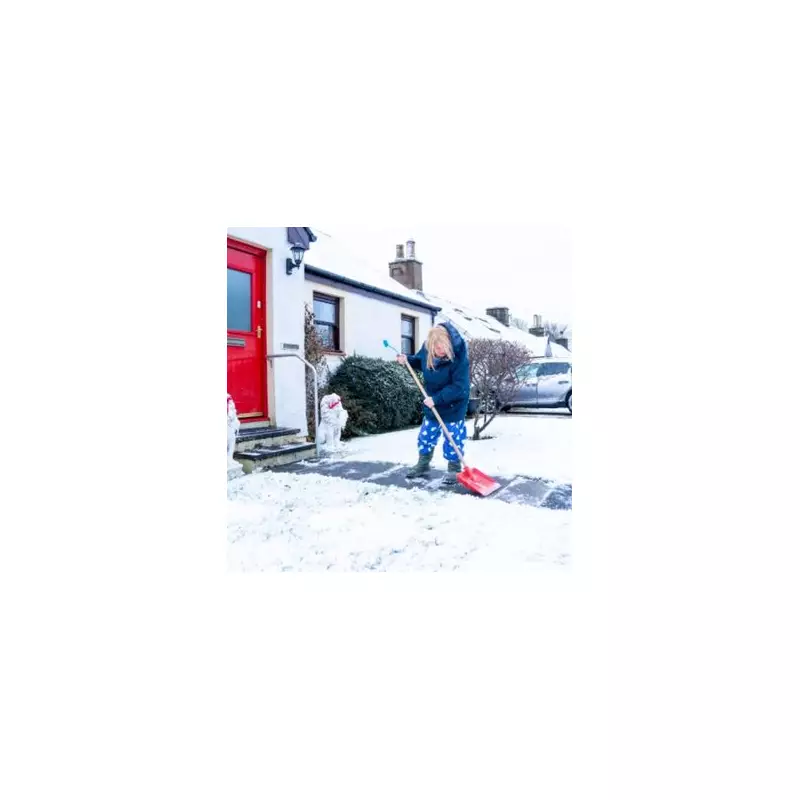
The United Kingdom is preparing for a severe and prolonged bout of wintry weather, with forecasters predicting a significant Arctic blast that will bring temperatures as low as -12C and blanket much of the country in snow as we move into the new year of 2026.
Nationwide Snowfall and Arctic Onslaught
Fresh data from the forecasting service WX Charts, which utilises the ECMWF modelling system, indicates a dramatic deterioration in conditions from January 7, 2026. The cold snap is expected to usher in widespread snow flurries from the early hours, with all regions of England and Scotland likely to be affected.
Accumulations could be substantial, with some areas bracing for up to 30 centimetres of snow, particularly in the north east and north west of the country. The Midlands is also in line for significant falls of up to 15cm, while even southern regions, including Greater London, the Home Counties, Cornwall, and the South West, are forecast to receive a dusting.

Expert Warnings for Travel and Safety
Meteorologist Terry Scholey from Netweather provided a detailed analysis of the incoming freeze. He explained that following patchy rain on New Year's Eve, a surge of Arctic air will descend, bringing much colder conditions for the start of 2026. "This will bring wintry weather... with sharper, more widespread frosts, and also some ice and snow," he stated.
Scholey emphasised that the snow "will be mainly over hills but not exclusively so," and that showers will turn increasingly to snow through Thursday as a strong, potentially gale-force northerly wind sets in. He warned of accumulations of 2 to 5 cm at lower levels, with 10 to 20 cm above 200 metres, and a potential for 30 cm or more on the highest routes. The high winds will also lead to significant drifting.
Potential Disruption and Official Advice
The impending weather system is expected to cause considerable disruption across the nation. Forecast models suggest that both the Republic of Ireland and Northern Ireland could also be blanketed in snow.
Specific warnings have been issued for large parts of Scotland, including the Highlands, Grampian, Tayside, Fife, Argyll and Bute, Orkney, and Shetland. Authorities are advising the public to prepare for severe travel delays on roads, rail networks, and at airports. There is also a risk that some rural communities could become temporarily cut off, and power cuts may affect mobile phone coverage in the worst-hit areas.
The public is urged to allow extra time for any journeys, to be prepared for changing conditions, and to take extra care on icy surfaces. This major Arctic incursion looks set to define the opening chapter of 2026, testing resilience and infrastructure across the British Isles.