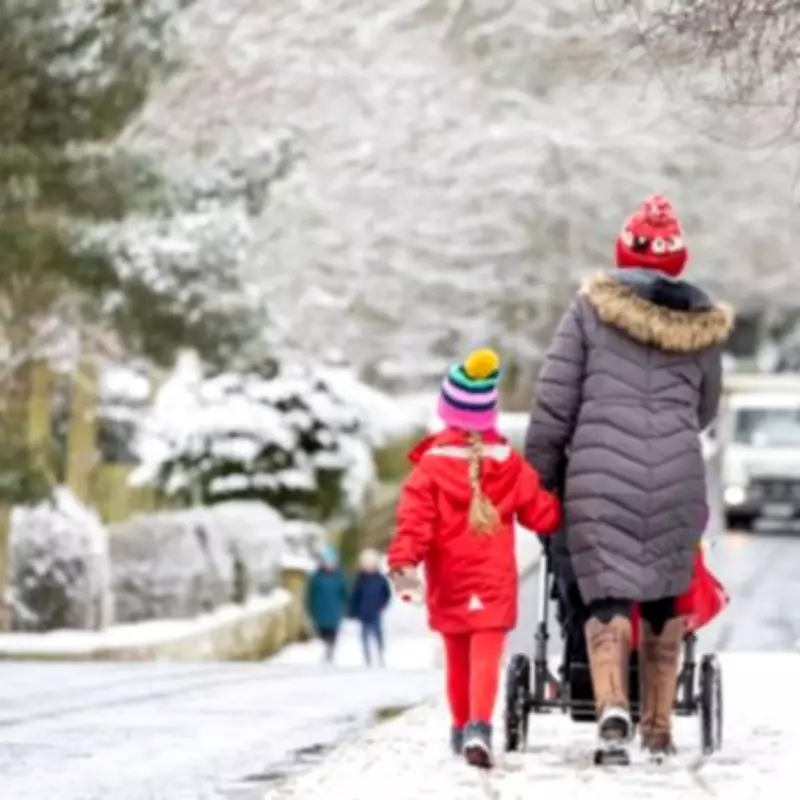
The Met Office has issued a stark warning that wintry conditions, including the threat of snowfall, are set to extend well into March across various parts of the United Kingdom. This continuation of cold weather patterns signals a prolonged period of seasonal disruption as the nation moves towards spring.
Extended Forecasts Signal Prolonged Winter Conditions
On its official website, the national weather service has published two comprehensive forecasts that span the period until March 8th. These detailed predictions outline a meteorological landscape dominated by unsettled and potentially hazardous conditions for several weeks to come.
Cyclonic Patterns to Dominate Early March
The Met Office stated: "Predominantly cyclonic patterns are expected to dominate the UK. The early part of this period could see colder conditions becoming established more widely for a time, bringing with it the likelihood of some snow, primarily to the north and northeast."

This forecast suggests that while southern regions might experience temporary relief from the persistent wet weather that has characterised recent weeks, the overall pattern remains changeable and challenging.
Atlantic Depressions Shifting Northwards
By the latter part of the forecast period, meteorologists anticipate that the track of Atlantic depressions may shift slightly northward compared to recent weeks. This movement is expected to maintain broadly unsettled weather across the country, with further spells of rain and potentially strong winds occurring at intervals.
While many areas may experience somewhat milder conditions due to increased westerly influences, the Met Office cautions that colder weather could persist towards the northeastern parts of the UK, maintaining the risk of wintry precipitation.
March Weather Outlook Remains Changeable
Looking specifically into March, forecasters added: "Broadly changeable conditions are expected across the UK during this period." The meteorological service has identified specific areas that face the continued threat of snow as winter transitions into the third month of the year.
Northern Hills Face Persistent Snow Risk
The Met Office specifically namechecks northern hills as areas particularly vulnerable to snowfall into March. Their analysis states: "Low-pressure systems will probably dominate, meaning showers or longer spells of rain, heavy at times, for much of the UK, and still the chance of some hill snow in the north."
This prediction indicates that while lowland areas may experience predominantly wet conditions, elevated regions in northern Britain remain at risk of wintry precipitation well beyond the traditional winter months.
Drier Interludes Amid Flooding Concerns
Some drier periods are anticipated during this extended forecast window, though the Met Office emphasises that flooding impacts remain possible given the exceptionally wet weather experienced recently across many parts of the country. This creates a complex weather scenario where communities must prepare for multiple hydrological hazards.
Windy Conditions and Temperature Expectations
Meteorologists from the Met Office further elaborated: "Windy conditions look probable from time to time. Temperatures probably close to or a little above average overall, with a reduced chance, compared to earlier thinking, of a late season prolonged cold spell."
This temperature assessment suggests that while brief colder intervals may occur, the likelihood of an extended, severe cold spell has diminished in recent modelling, though not been eliminated entirely from consideration.
Recent Weather Patterns Provide Context
Independent weather service Netweather TV has observed that since mid-January 2026, forecast models have frequently indicated possible cold snowy spells associated with easterly winds and Scandinavian blocking patterns. In practice, these patterns have typically resulted in south-easterly airflows over Britain, directing cold air from Russia to northern regions while bringing substantial rainfall to lowland areas.
This has created a meteorological dichotomy where daytime temperatures have ranged from near average to cold, while nights have remained relatively mild across much of lowland Britain.

Scottish Highlands Experience Significant Snow Accumulation
Recent weeks have witnessed substantial snowfall in the Scottish Highlands, where south-easterly winds have pushed snow into large drifts on northwest-facing slopes. This serves as a tangible example of the wintry conditions that may persist in elevated northern regions as the UK progresses through late winter and into early spring.
The extended forecasts underscore the importance of remaining weather-aware and prepared for variable conditions as traditional seasonal transitions occur against a backdrop of complex atmospheric patterns influencing the British Isles.