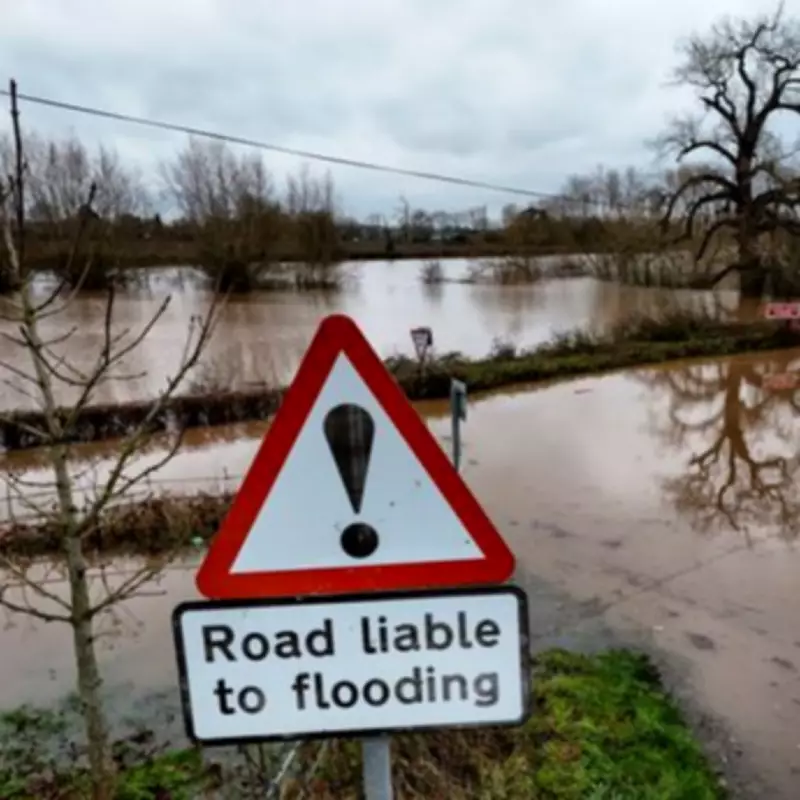
The West Midlands has been identified as one of the most severely affected regions as the United Kingdom continues to grapple with an unprecedented period of rainfall. The nation has now endured a record-breaking 37 consecutive days of rain, with meteorological experts indicating that there is currently no sign of this persistent wet weather abating.
Environment Agency Issues Multiple Flood Warnings
As another damp Sunday unfolds across the country, the Environment Agency has escalated its response by issuing nearly 100 high-level flood warnings alongside more than 250 flood alerts throughout England. The primary areas of concern remain concentrated in the Midlands and South West regions, where emergency services are focusing their efforts.
Critical River Levels Across the Region
River systems throughout the West Midlands are approaching critical thresholds, with major waterways including the River Severn and River Dene being monitored continuously by environmental authorities. This has resulted in the implementation of formal flood warnings across the region, indicating that flooding is expected rather than merely possible.

In Worcestershire, numerous warnings have been activated, with particular attention focused on South Worcester locations including Quay Street, Diglis Avenue and Pitchcroft. Water levels at Diglis are predicted to reach peaks of up to 4.7 metres, while waterways between Worcester and Gloucester have been described as completely full to their banks.
Communities on High Alert
Shropshire residents in Ironbridge, Bridgnorth and Coalbrookdale have been advised to maintain heightened vigilance as the River Severn faces increasing pressure from the continuous rainfall. Flooding has already begun affecting both road networks and properties throughout these areas.
Warwickshire authorities have warned that flooding along the River Dene is now imminent following weeks of unrelenting precipitation. Meanwhile, Staffordshire continues to maintain flood alerts for the River Blithe and River Mease near Clifton Campville as water levels remain dangerously high.
Transport Networks Experience Significant Disruption
The extensive rainfall event has created widespread challenges across transportation infrastructure throughout the country. In the Midlands region, the A4545 remains completely closed in both directions near Birmingham Airport due to water covering the carriageway, creating hazardous driving conditions for motorists.
Rail services are similarly affected by the adverse weather, with commuters strongly encouraged to verify journey information with their specific rail providers before commencing any travel plans. The combination of saturated ground and ongoing precipitation continues to threaten further disruption to both road and rail networks.
National Impact Beyond the Midlands
The South West of England continues to experience substantial river flooding, with Somerset Levels particularly affected and major incidents declared across the area. Groundwater flooding is impacting multiple counties including Dorset, Wiltshire, Hampshire and West Sussex, while the Thames Valley remains on alert for potential flooding events.
Wales currently maintains 11 flood alerts, primarily concentrated in the Lower Dee and Lower Severn catchment areas. Meanwhile, parts of Scotland have recorded more than 130% of their average February rainfall within just five days, highlighting the extensive geographical reach of this weather system.
Meteorological Outlook Remains Unsettled
Met Office meteorologist Dan Stroud offered little optimism regarding immediate weather improvements, stating earlier this week that unfortunately there appears to be no end in sight to the current gloomy conditions. The persistent nature of this rainfall pattern continues to challenge both forecasting models and emergency response planning.
An Environment Agency spokesperson emphasised the ongoing seriousness of the situation, noting that river levels remain elevated in response to recent rainfall and that continuous monitoring is underway. The agency reiterated crucial safety advice, urging the public to exercise caution and avoid walking, cycling or driving through flood waters.

Advice for West Midlands Residents
Residents across Birmingham and the wider West Midlands region are strongly advised to remain vigilant during this extended period of wet weather. Key recommendations include:
- Regularly checking the latest flood warnings from official sources
- Monitoring Met Office updates for weather developments
- Following all official guidance from local authorities and emergency services
- Preparing appropriate contingency plans for potential flooding scenarios
With meteorological conditions showing no indication of easing in the immediate future, maintaining awareness and preparedness remains essential for communities throughout the affected regions.