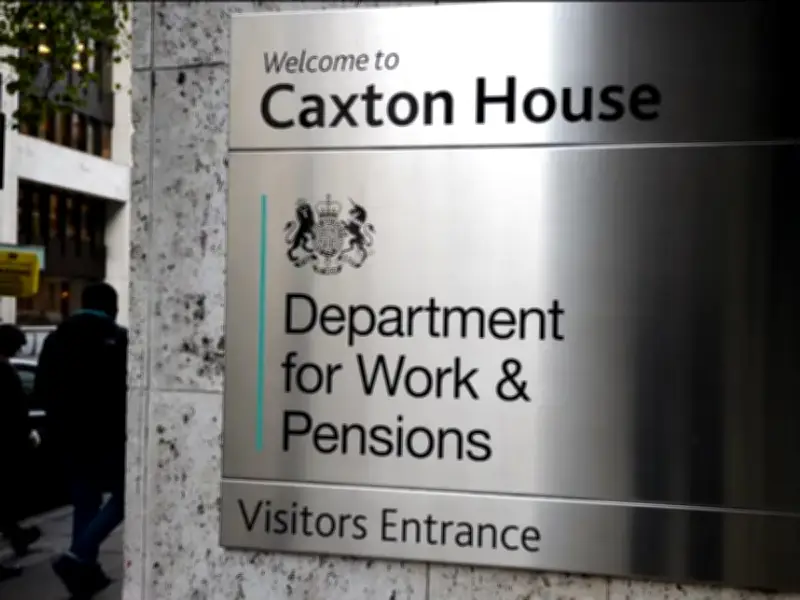
The Department for Work and Pensions (DWP) has confirmed that from October 2026, it will introduce stricter debt recovery powers for all benefit overpayments, including advances and certain tax credit overpayments. These powers, part of the Public Authorities (Fraud, Error and Recovery) Act (PAFER Act), which became law in 2025, allow the DWP to recover money directly from bank accounts and, in some cases, impose driving bans.
New Powers Under the PAFER Act
The new enforcement measures, which will be rolled out gradually from October 2026, are designed to target individuals who have stopped claiming benefits but still owe outstanding debts. According to a DWP spokesperson, the powers "will apply to ALL benefit overpayment debts, together with advances and some overpayments of tax credits."
Courts will only be able to impose a driving ban where the debt is at least £1,000. Importantly, no one will be disqualified if they have an essential need for their licence, such as relying on driving for work or caring responsibilities.

Government's Stance on Fraud and Error
Cabinet Office minister Satvir Kaur said: "Under these new powers in the PAFER Act, this government will deliver on its promise to protect hardworking taxpayers and clamp down on those who try to cheat the system." The government argues that these measures are necessary to recover money lost to fraud and error, which costs taxpayers billions each year.
Concerns Over Vulnerable Claimants
However, charities and debt advice organisations have raised concerns. Rebecca Lamb, external relations manager at Money Wellness, said: "People who deliberately avoid repaying debts should be held accountable. Our concern is making sure that people experiencing vulnerability aren’t mistaken for people who are refusing to engage."
Lamb added: "Many of the people we support are dealing with serious illness, poor mental health, caring responsibilities or financial hardship. Some struggle to understand complex correspondence. Others are overwhelmed by their circumstances and stop opening letters altogether. From the outside, that can sometimes look like non-engagement. In reality, it can be a sign that somebody needs support."
How the New Powers Will Work
The PAFER Act gives the DWP the authority to "go directly to a person’s bank to claw back cash owed, without needing a court order." This means that for certain debts, the DWP can deduct money directly from a claimant's bank account, bypassing the traditional court process.
For driving bans, the process will involve court action, but the threshold for imposing a ban is set at £1,000. The DWP has clarified that essential need for a vehicle, such as for work or caring duties, will be taken into account.
Rollout and Implementation
The enforcement powers will be introduced gradually, starting in October 2026. The DWP has not yet provided a detailed timeline for full implementation, but it is expected to be phased in over several months to allow for administrative adjustments.
The announcement has sparked debate among welfare rights groups, who fear that the new measures could disproportionately affect vulnerable claimants. The DWP, however, insists that safeguards are in place to protect those with genuine reasons for non-payment.