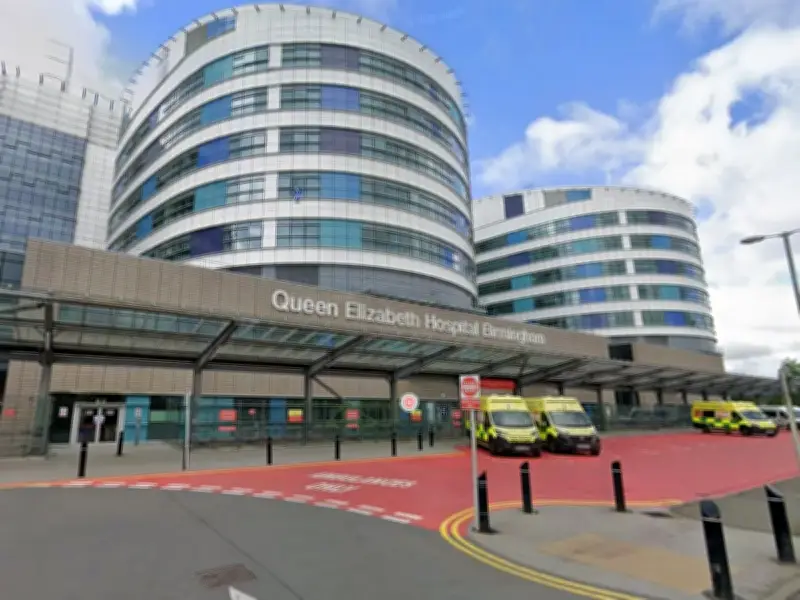
Patients attending outpatient appointments at hospitals across Birmingham will be offered help to stop smoking as part of a new move to reduce hospital admissions in the city. For the first time, the stop smoking service will be offered to all residents who attend outpatient appointments at Queen Elizabeth Hospital, Heartlands Hospital and Good Hope Hospital.
Patients will receive specialist behavioural support alongside free stop smoking treatments, including nicotine replacement therapy and vapes. Support will be provided face-to-face or over the phone, with regular follow-ups to help people through their quitting journey.
How the service works
Patients can be referred by a UHB clinical team or self-refer directly to the service by emailing quitsmoking@uhb.nhs.uk. To be eligible, patients must be aged 18 or over, be registered as a UHB patient, live, work or be registered with a GP within a Birmingham City Council ward, currently smoke and be willing to make an attempt to quit.
Funded by Birmingham City Council Public Health, the service is open to all Birmingham residents who attend University Hospitals Birmingham (UHB) outpatient sites but with particular focus on respiratory, pre-operative assessment and cancer services, where stopping smoking can significantly improve treatment outcomes and recovery.
Impact of smoking on Birmingham
Smoking continues to have a significant impact on health across the city. Data shows an estimated 10.2% of adults in Birmingham smoke, while local hospital data shows thousands of admissions each year continue to be linked to smoking-related illnesses, including chronic obstructive pulmonary disease (COPD), pneumonia, lung cancer and cardiovascular disease.
Councillor Nosheen Khalid, Cabinet Member for Health and Social Care, said: “Smoking is still one of the biggest drivers of ill health and hospital admissions in Birmingham. For a lot of people, the hardest part of quitting isn't wanting to stop, it's knowing where to turn for help.
“This service puts that support right in front of them, in hospital, exactly when quitting can make a big difference to health outcomes. By funding this service directly into UHB's outpatient pathways, we're removing the barrier of people having to seek out help separately, and I'd encourage anyone eligible to get in touch.”
Clinical benefits of quitting
David Thickett, Professor of Respiratory Medicine and Clinical Lead for Tobacco Addiction Cure Team, University Hospitals Birmingham Foundation NHS Trust, said: “Smoking remains one of the leading preventable causes of disease, contributing to cardiovascular and respiratory illness, cancer and poorer outcomes following medical and surgical treatment. Smoking cessation can deliver substantial clinical benefits, including improved treatment response, reduced complications and better long-term health outcomes.
“By integrating specialist smoking cessation support into our outpatient services and NHS staff clinic, we aim to make evidence-based interventions more accessible to patients and colleagues, helping them achieve sustained abstinence and better health.”