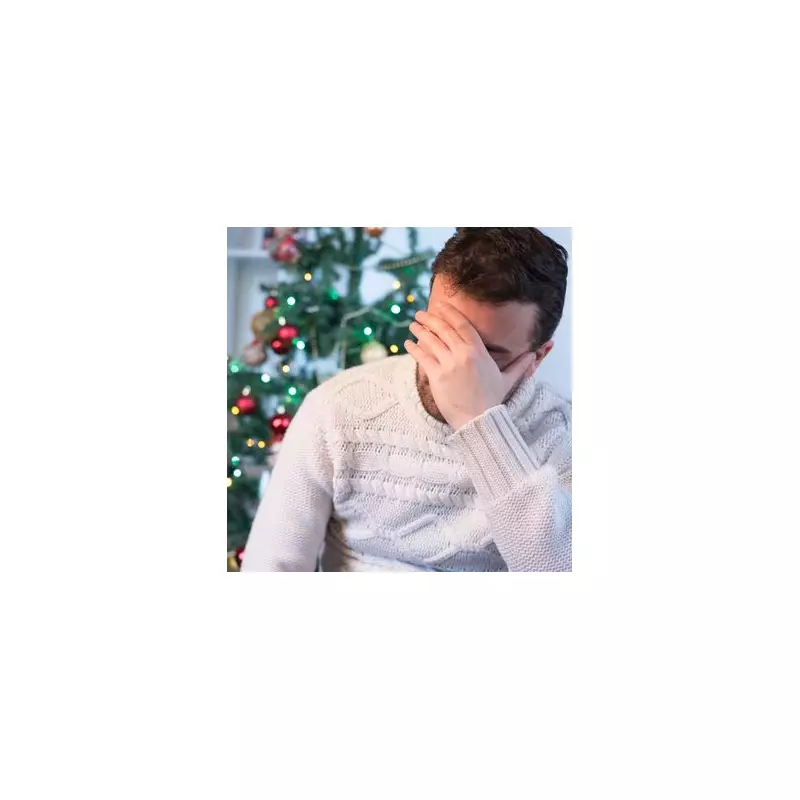
As households across the UK begin decking the halls, a leading GP has issued a timely health warning. The festive tradition of unpacking Christmas decorations could inadvertently trigger allergic reactions, with symptoms easily confused for a winter cold or even Covid-19.
The Hidden Hazards in Your Holiday Boxes
Dr Neel Patel, a GP from LloydsPharmacy Online Doctor, explains that seasonal items stored away for most of the year accumulate significant dust. This dust is a potent mix of particles including pollen, mould spores, and dust mite waste.
"When this dust is disturbed, it becomes airborne," Dr Patel states. "For sensitive individuals, inhaling these particles can prompt a swift allergic response." Common symptoms include sneezing, a runny or blocked nose, itchy eyes, and coughing – a cluster often mistaken for common seasonal viruses.

Scented Candles and Natural Decorations Pose Risks
The warning extends beyond dusty baubles. Dr Patel highlights that scented candles are another common festive culprit. Many contain synthetic fragrances and dyes that release volatile organic compounds (VOCs) when burned.
"These chemicals can irritate the respiratory system, leading to coughing, sneezing, or congestion," he advises. "Those who are particularly sensitive should opt for unscented candles or avoid them altogether."
Furthermore, natural decorations like festive wreaths and real Christmas trees can harbour mould spores. When brought into warm, dry indoor environments, these spores can become airborne. "Mould spores are a common allergen," Dr Patel notes. "For people with asthma or a known sensitivity, artificial alternatives may be a safer choice."
Practical Steps for a Reaction-Free Celebration
To minimise the risk of festive allergies, Dr Patel recommends several preventative measures:
- Wipe down all decorations with a damp cloth before displaying them.
- Store decorations in airtight containers or vacuum bags during the off-season.
- Be mindful of scented products and natural foliage if you have known sensitivities.
- Consider that dust mites thrive in dusty environments, and their waste proteins are a primary trigger for many.
"It's about taking simple steps to ensure your holiday season is filled with cheer, not sneezes," Dr Patel concludes. By being proactive, families can reduce exposure to these hidden allergens and enjoy a healthier, more comfortable Christmas.