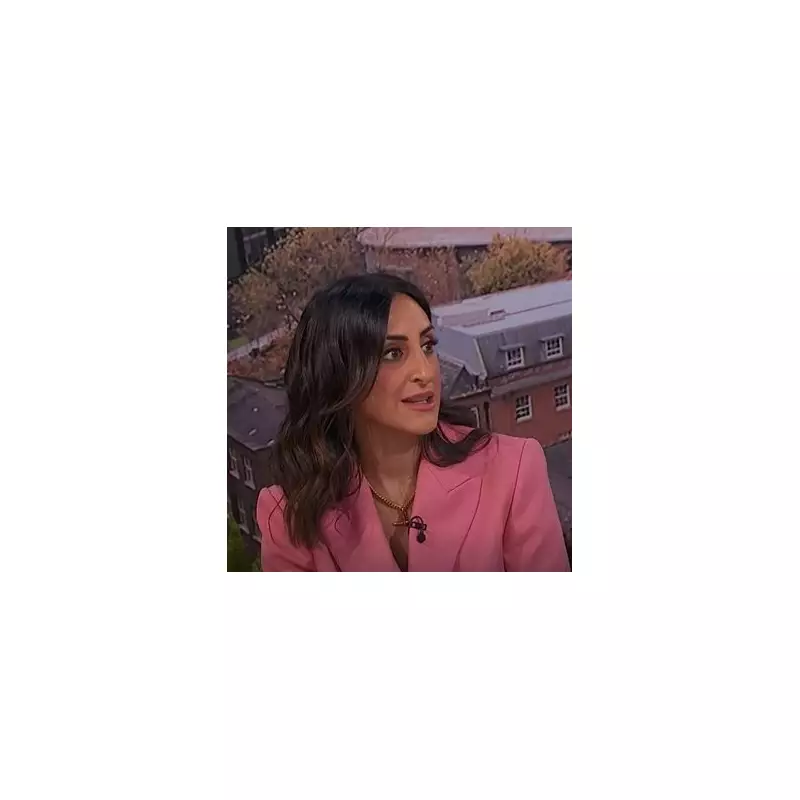
An NHS GP and regular BBC presenter has issued an urgent warning about a significant increase in sophisticated medical scams targeting the public.
Dr Punam Krishan, who appears on BBC's Morning Live and has a following of 127,000 on Instagram, stated she is witnessing these dangerous schemes 'more and more' in her professional work.
Fake GP Calls Creating Panic
One of the most prevalent scams involves fraudulent telephone calls where people are told to press a button to update personal details urgently or face being removed from their GP practice list.

Dr Krishan emphasised that genuine GP practices will never operate in this manner. 'Your GP practice will never ask you for bank details over the phone,' she stated. 'They will never threaten to remove you from the list if you don't press a button or ask for payment to stay registered.'
She explained that these tactics are deliberately designed to create a sense of panic and urgency. If a call feels suspicious, pushy, or doesn't sound like how your practice normally communicates, she advises trusting your instincts and verifying directly with your surgery.
The Threat of AI Doctor Deepfakes
Another growing concern is the use of artificial intelligence to create convincing deepfake videos of doctors. These fabricated videos feature so-called medical professionals giving health advice or selling miracle cures.
Some scammers are even using AI technology to mimic the faces and voices of real clinicians without their consent. Dr Krishan identified major red flags, including anyone selling products directly online or making extravagant health claims. 'Real health care does not rely on pressure or emotive medical language,' she clarified.
These scams often target vulnerable individuals desperately seeking solutions, with adverts spreading rapidly across social media platforms.
Dangerous Fake Online Pharmacies
Fake online pharmacies have become a massive global issue, according to the NHS doctor. These websites often appear completely legitimate with professional medical branding, but they are not properly registered.
The medicines sold through these unverified channels can be extremely dangerous. 'Some products have actually been tested by the MHRA and were found to contain wrong doses or even unsafe toxic chemicals and ingredients,' Dr Krishan revealed.
She provided crucial advice for anyone considering buying medication online: 'Please check for the green MHRA pharmacy logo. If it doesn't have this, this is not from a real pharmacy nor has that drug been approved.'
How to Verify Medical Information
Dr Krishan stressed that the safest health information always comes from trusted, evidence-based sources. She recommended several reliable organisations including:
- The NHS and NHS Inform (in Scotland)
- Major medical charities like Cancer Research UK
- The British Heart Foundation
- Asthma and Lung UK
These organisations are regularly updated, transparent about risks and benefits, and crucially, 'they're not trying to sell you anything.'
For anyone encountering medical advice online, she recommends taking a moment to cross-check the information against these reputable websites. If someone claims to be a doctor, you can verify their credentials on the General Medical Council (GMC) register.
Dr Krishan also addressed the emotional and physical impact of being scammed, describing how it can cause heart racing, stomach drops, shakiness, nausea, and chest tightness. She urged anyone experiencing concerning physical symptoms after such an incident, particularly chest pain or breathlessness, to seek urgent medical help.
Her final message to the public was clear: 'Stay vigilant and stay kind to yourself.'