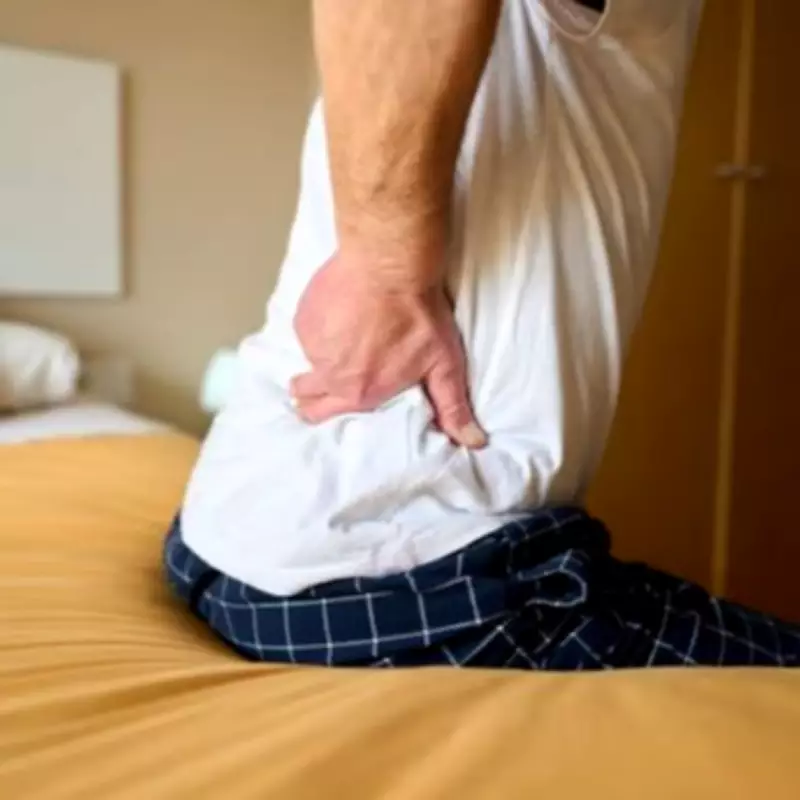
The Department for Work and Pensions has officially confirmed a list of 95 arthritis and musculoskeletal conditions that qualify state pensioners for Attendance Allowance, worth up to £114.60 per week. This benefit provides essential financial support for retirees aged 66 and over who require assistance with daily living tasks due to long-term health conditions.
Attendance Allowance Overview
Attendance Allowance is not means-tested, meaning eligibility depends solely on the care needs arising from a disability or health condition, not on income or savings. The benefit comes in two rates: the lower rate of £76.70 per week for those who need help during either the day or night, and the higher rate of £114.60 per week for those requiring help both day and night, or who have a terminal illness with 12 months or less to live.
To qualify, applicants must have reached State Pension age, which is currently 66 and is set to increase to 67 between 2026 and 2028. The key factor is that the condition necessitates help or supervision with daily activities.
Full List of Qualifying Conditions
While there is no official exhaustive list, DWP data reveals 95 musculoskeletal and arthritis conditions that commonly lead to successful claims. The most prevalent conditions include:
- Primary generalised Osteoarthritis: 215,396 claimants
- Fibromyalgia: 175,219 claimants
- Back pain (specific, other/type not known): 114,833 claimants
- Rheumatoid arthritis: 84,103 claimants
- Inflammatory arthritis (other/type not known): 71,267 claimants
- Non-specific mechanical back pain: 51,350 claimants
- Osteoarthritis of Knee: 46,877 claimants
- Lumbar disc lesion: 39,081 claimants
- Lumbar spondylosis (OA spine): 23,253 claimants
- Osteoarthritis of Hip: 21,445 claimants
- Knee disorders (other/type not known): 20,712 claimants
- Spinal stenosis: 20,237 claimants
Other notable conditions include spine injuries/fracture/dislocation (19,343), psoriatic arthritis (18,079), hip disorders (16,998), chronic pain syndromes (16,834), lower limb injuries/fracture/dislocation (15,879 each), generalised musculoskeletal disease (15,825), regional/localised musculoskeletal disease (15,484), osteoarthritis of other single joint (14,899), lower limb amputation (14,050), ankle and foot disorders (13,827), ankylosing spondylitis (13,285), scoliosis (13,152), genetic disorders/dysplasias/malformations (13,092), osteoporosis (11,810), multiple injuries/fracture/dislocation (9,691), cervical spondylosis (9,453), wrist and hand disorders (8,842), carpal tunnel syndrome (8,156), hypermobility syndrome (7,752), spondylolisthesis (7,354), shoulder disorders (7,051), upper limb injury/fracture/dislocation (6,326 each), neck disorders (6,094), upper limb amputation (3,103), cervical disc lesion (3,055), gout (2,766), Perthes disease (1,981), reactive arthritis (1,966), pelvis injuries/fracture/dislocation (1,944 each), rotator cuff disorder (1,936), adhesive capsulitis (1,841), club foot (1,817), fracture complications (1,699), juvenile chronic arthritis (1,697), Dupuytren's contracture (1,636), congenital hip dislocation (1,265), kyphosis (1,209), Schuermann's disease (1,116), meniscal lesions (1,009), osteogenesis imperfecta (958), osteonecrosis (897), Marfan's syndrome (754), achondroplasia (726), elbow disorders (715), other metabolic/endocrine disorders (645), ligamentous instability of knee (580), recurrent patellar dislocation (577), amputations (518 each), chondromalacia patellae (491), tenosynovitis (467), benign bone tumours (438), tennis elbow (425), bursitis (387), osteochondritis (363), abdomen injuries/fracture/dislocation (333), tendon lesions (318), hereditary multiple exostosis (292), compartment syndrome (284), thorax injury/fracture/dislocation (274 each), multiple epiphyseal dysplasia (273), slipped upper femoral epiphysis (257), hallux valgus/rigidus (229), fore foot pain (210), Osgood-Schlatter disease (196), shoulder instability (184), whiplash injury (168), rickets (163), osteomalacia (157), osteochondritis dissecans (124), Paget's disease (117), golfer's elbow (109), pseudogout (64), Sudek's atrophy (56), and crystal deposition disorders (35).
How to Claim
It is important to note that even if a specific condition is not listed, applicants may still qualify if their condition requires care. The critical factor is the level of help needed, not the diagnosis itself. Claimants should apply through the DWP, providing evidence of their care needs.