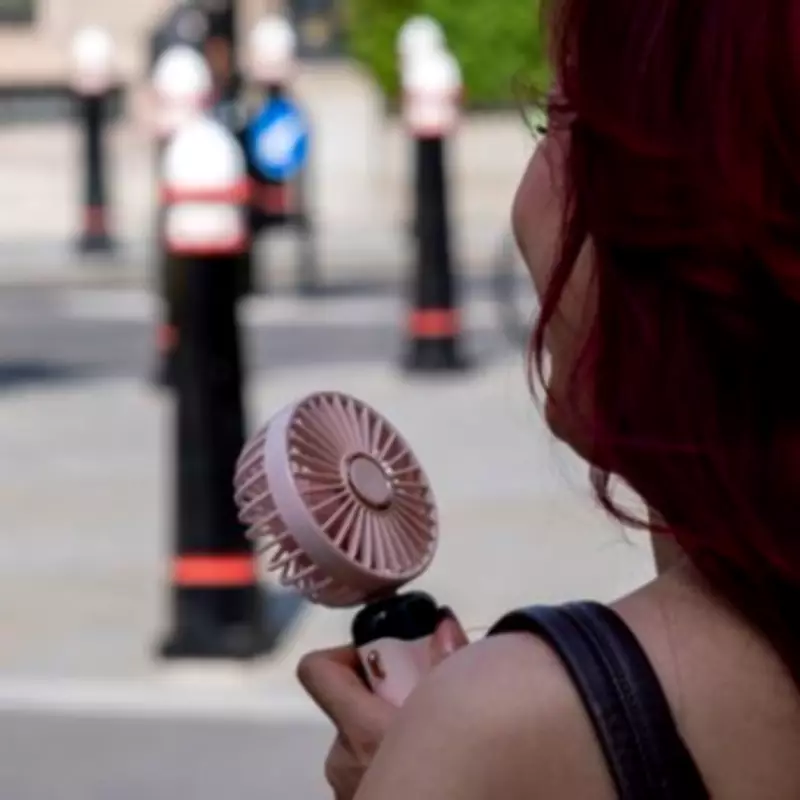
A health warning has been issued for people taking five particular medications, with a pharmacist advising extra precautions as temperatures soar across the UK. The Met Office forecasts Monday to be the warmest day of the year so far, with records already broken after the UK experienced its hottest May day ever. Kew Gardens in London hit 34.8C, surpassing the previous May peak of 32.8C set in 1922 and 1944.
Tuesday is expected to reach 35C in southern England and Wales, possibly climbing to 36C, according to senior Met Office meteorologist Becky Mitchell. Thunderstorms may develop in the afternoon, affecting temperatures.
How Medications Affect Heat Regulation
Dipa Kamdar, Senior Lecturer in Pharmacy Practice at Kingston University, explained that the body uses sweating, blood flow to the skin, and fluid balance to regulate temperature. However, some commonly prescribed drugs interfere with these processes, making it harder to stay cool.
Heart Medications
Beta-blockers slow heart rate and reduce pumping force, restricting blood flow to the skin and hindering heat release. Diuretics, used for high blood pressure or heart failure, increase urine output, leading to dehydration and electrolyte imbalances. Reduced fluid availability impairs sweating, and severe dehydration may eliminate thirst sensation. Blood pressure medicines like ramipril and losartan further increase dehydration risk by blocking systems that control fluid balance and thirst.
Antidepressants
Selective serotonin reuptake inhibitors (SSRIs) such as sertraline, fluoxetine, and citalopram, and tricyclics (TCAs) like amitriptyline, nortriptyline, and lofepramine, can affect sweating. They may cause heat intolerance by disrupting the hypothalamus, which controls body temperature. Up to 14% of antidepressant users experience increased sweating, leading to dehydration if fluids are not replaced.
Antipsychotics
Antipsychotics block dopamine, affecting serotonin levels and disrupting the hypothalamus's ability to sense temperature changes. Users may not feel overheated or thirsty, increasing the risk of low blood pressure and reduced heart function. The body constricts blood vessels and retains heat, reducing perspiration.
Stimulants
Prescribed amphetamines for ADHD raise body temperature, accelerate metabolism, and interfere with sweating, making cooling difficult. They may suppress fatigue, leading to overexertion and increased risk of dehydration, overheating, or heatstroke.
Insulin
Warm temperatures dilate blood vessels, speeding insulin absorption and causing blood sugar to drop rapidly, potentially leading to hypoglycaemia. Symptoms include dizziness, shaking, sweating, irritability, and loss of consciousness. Heat can also degrade insulin, reducing effectiveness. Insulin should be stored in the fridge and inspected for cloudiness or colour changes.
Preventative Measures
Kamdar advises checking medication labels for storage instructions, avoiding leaving drugs in hot places like cars or windowsills. Inhalers and EpiPens can also malfunction in heat. Stay hydrated unless otherwise advised by a doctor, as dehydration worsens medication effects. Avoid peak heat hours and stay cool. Watch for signs of heat-related illness such as dizziness, confusion, nausea, or excessive sweating. Do not stop taking prescribed medications without medical advice; consult a doctor or pharmacist if heat affects your ability to cope.