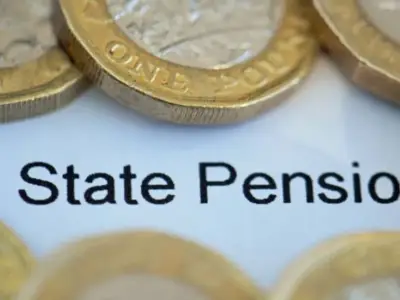
The Department for Work and Pensions (DWP) has increased the state pension, providing an extra £34 per month to older pensioners born before 1951. The old basic state pension, for those who reached state pension age before April 2016, has risen to £184.90 per week, or £9,614.80 per year, an increase of £439.40 annually. This £8 weekly uplift equates to nearly £34 per month.
Additional State Pension and National Insurance Gaps
Many recipients of the old basic state pension may also be eligible for the additional state pension. However, some individuals may have gaps in their national insurance record due to living abroad or taking time off to care for children. Laurence O'Brien, senior research economist at the Institute for Fiscal Studies, commented: "The people most affected are often those least able to adjust through staying in work or drawing on other savings, for example those already out of work or in poor health." He added: "There is a good case for future increases to the state pension age to come alongside targeted financial support for most affected groups."
Life Expectancy Concerns
Elaine Smith, head of employment and skills at the Centre for Ageing Better, noted that the rationale for repeatedly raising the state pension age is based on people living longer. However, she stated: "But life expectancy nationally is lower now than it was before the pandemic."
DWP Statement
A spokesperson for the Department for Work and Pensions said: "We're committed to providing financial support for people at any age who need it. Those that have not reached state pension age can access a range of support such as universal credit and other means-tested and disability-related benefits."