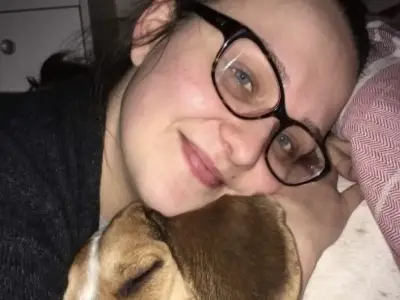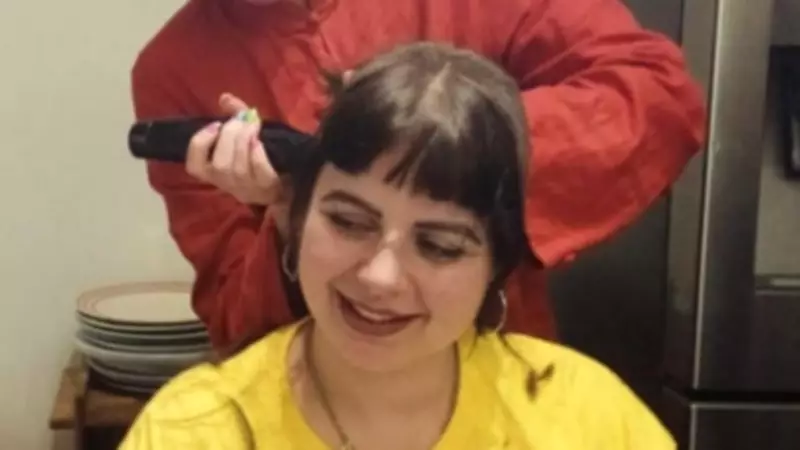
A brave student facing sight loss has shaved her head in a symbolic act to raise money for a much-needed cure. Raia Apelatou, 27, from Derby, was recently diagnosed with an untreatable form of macular disease, which is the biggest cause of sight loss in the UK.
Head Shave Party
Raia hosted a party where her head shave took centre stage. “It was great. We called it ‘The Raia Is Becoming An Egg Party’ which made it so much fun, really lovely,” said the University of Nottingham vet student. She added: “I’ve never had a shaved head before and I’m surprisingly happy with how it’s turned out. It’s quite fun to rub my head, from a sensory perspective! Some people might find it a bit extreme but for me it’s symbolic because we worry so much about hair and how we look. So, when you’re faced with losing our sight, you realise these things don’t really matter.”
Diagnosis and Fundraising
Raia was diagnosed with Doyne honeycomb dystrophy at the end of 2025. The condition leads to vision loss because light-sensitive cells are unable to receive the nutrients they need. Her fundraising efforts raised more than £1,100 for the Macular Society, which supports people with macular disease across the UK. She said: “I’m so grateful to every single person who donated. Money’s tight but it’s lovely to know so many people love me enough to support and give their hard-earned money. Knowing so many people are rooting for me, that’s reassuring and makes the hard news easier to deal with.”
Need for Research
While some forms of macular disease can be treated through eye injections, there is nothing yet available for Doyne honeycomb dystrophy. There was always a 50% chance of Raia carrying the gene, which is present on her mum’s side of the family. Raia is keen to see more money put into research in the hope of finding a breakthrough treatment or a cure. Nearly 1.5 million people are currently affected by the condition and many more are at risk. There is still no cure and most types of the disease are not treatable.
For more information about services available from the Macular Society, please call 0300 3030 111 or email help@macularsociety.org