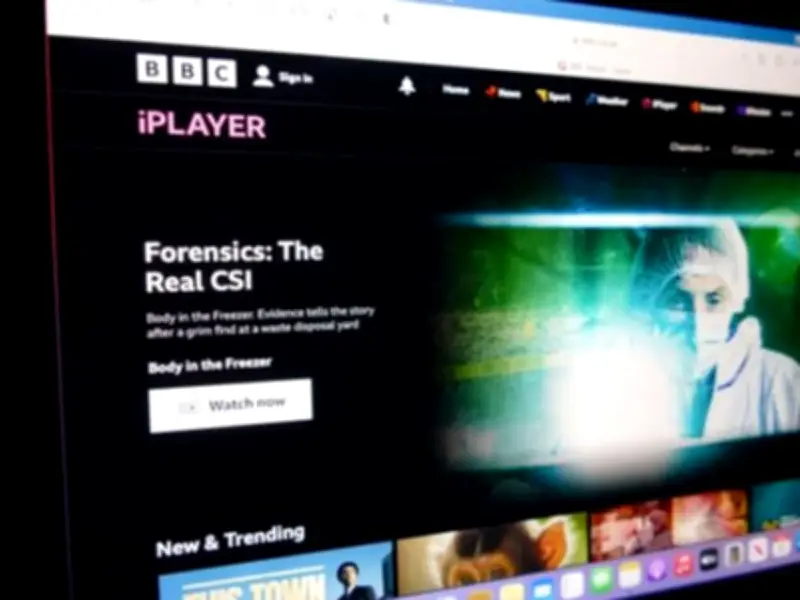
The BBC is considering a strict punishment for households that do not pay the TV licence fee: locking them out of iPlayer. Kerris Bright, the BBC's chief customer officer, reportedly mentioned in an all-staff call that the idea of blocking access to the streaming service is under review.
Bright's Comments on iPlayer Locking
Recordings of the meeting, obtained by Deadline, captured Bright saying that locking iPlayer would be an “opportunity for us” and something “we should absolutely keep looking at”. She added: “As we go into the future, more of an IPTV world, audiences changing behaviour … that might absolutely be an opportunity for us, depending on the funding model.”
Bright continued: “There’s probably more cost in it than revenue, but it is something we should absolutely keep looking at because it might be something that you actually would want to do in the future.”

Current Licence Fee and Government Stance
The TV licence fee rose to £180 in April. Andy Burnham, the new Labour Party Prime Minister, has reappointed Culture Secretary Lisa Nandy as part of his first Cabinet. Nandy previously told BBC Breakfast that the licence fee was “deeply regressive” and that she was thinking “quite radically and creatively” about alternatives.
In January, Nandy did not rule out a subscription model for the BBC but said there was “a whole range” of other possible options. She stated that the government was “determined to grip this, and I think there is a genuine sense out there in the public that the licence fee was built for a different era”.
TV Licence Sales During World Cup
Recently, the BBC reported a “very strong” performance in TV licence sales during the recent World Cup, crediting a QR code promotion displayed during matches. A TV licensing spokesperson said: “The summer campaign, including use of the QR code is ongoing, but initial signs suggest TV Licence sales have performed very strongly during the World Cup. Major live sporting events typically drive an increase in sales activity. We will continue to do all we can to ensure people are properly licensed.”
The spokesperson added: “Audience behaviour and content consumption continue to change and it’s essential we agree a modernised funding model in Charter negotiations, so the BBC can continue to deliver for audiences in the future.”