Ethan Lacey, a 20-year-old father from Castle Vale, Birmingham, has given his family renewed hope as he begins to show subtle but significant signs of recovery following a catastrophic brain injury sustained in Thailand. His father, Kevin Lacey, described a simple nod in response to a nurse's question as a "massive step forward" in a recovery that has been described as a long and uncertain path.
The young dad's ordeal began on May 16, when he fell from a moving pickup truck and the vehicle's wheel ran over his head at a busy Pattaya intersection. The severity of the injury left him fighting for his life, and he spent more than a month in a Thai hospital before a family-led fundraising campaign made it possible to repatriate him to Birmingham for specialist treatment at the Queen Elizabeth Hospital.
A Glimmer of Hope After Catastrophic Injury
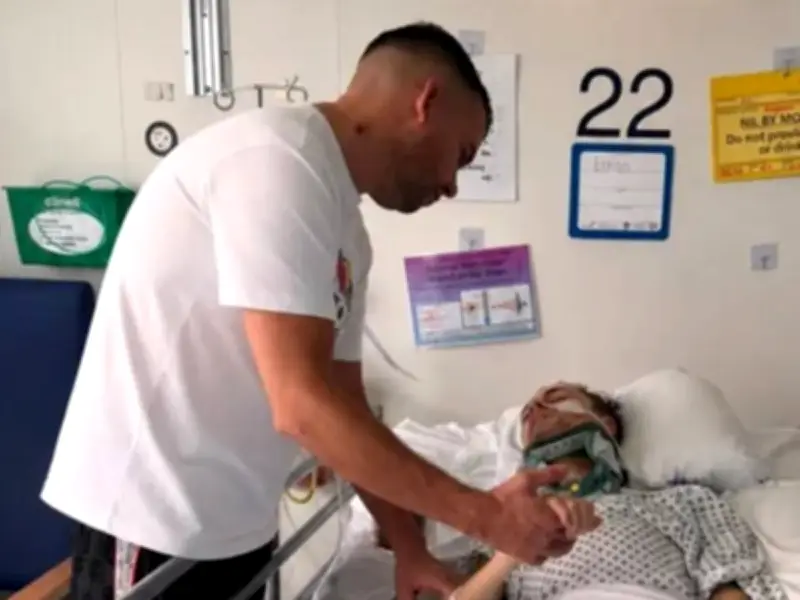
For the Lacey family, every small sign of progress has been met with overwhelming emotion. The most recent breakthrough came when a nurse asked Ethan if he wanted a blanket. In a moment that left his father speechless, Ethan responded by nodding his head. The nurse repeated the question to confirm, and again Ethan nodded.

"Ethan nodded his head. The nurse asked him again, and once again he nodded," Kevin Lacey told the assembled media. "To us, that's a massive step forward."
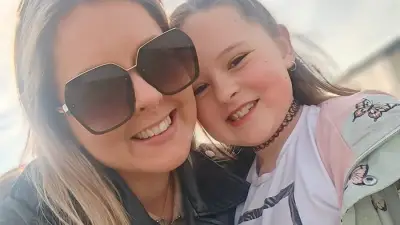
This recognition and intentional response is particularly significant for a patient who has been largely unresponsive since the accident. The family has also observed Ethan focusing on a painting made by his young daughter, with his eyes tracking the artwork in a way that suggests recognition and emotional connection. Kevin added, "He's moved his leg and hands more than he has in a while, which is another encouraging sign."
Setbacks and Ongoing Treatment
However, the road to recovery is far from smooth. Ethan is currently battling infections he contracted during his stay in Thailand. His cerebrospinal fluid infection has shown resistance to the antibiotics that were previously effective, complicating his treatment and putting additional strain on his already vulnerable body. Kevin described this development as "another difficult setback" but praised the medical team at the Queen Elizabeth Hospital for their relentless efforts to adapt his treatment.
As part of his ongoing care, Ethan will require surgery to replace his External Ventricular Drain (EVD), a device that is critical for managing intracranial pressure and draining excess fluid from the brain. This procedure is a routine but essential part of his care, and it underscores the complexity of his injuries.
Community Support and Fundraising
The family's fight to bring Ethan home was supported by a substantial fundraising campaign that drew contributions from the Castle Vale community and beyond. That support remains vital as they face mounting medical costs and the long-term need for rehabilitation services. The family continues to fundraise to ensure Ethan has access to the best possible care and rehabilitation equipment, which will be crucial in the months and years ahead.
"Every pound raised helps us stay by Ethan's side and gives him the chance to fight," Kevin said, expressing gratitude for the outpouring of kindness from strangers and friends alike.
Understanding Brain Injury Recovery
Medical professionals emphasise that recovery from catastrophic brain injuries is highly individual and can unfold over a long timeline. Early signs like Ethan's nodding and eye tracking are often seen as positive indicators of neurological function, even if full consciousness remains distant. These small, deliberate responses suggest that parts of the brain responsible for awareness and communication are still active, which can provide a foundation for further rehabilitation.
At just 20 years old, Ethan has a young family and a future that hangs in the balance. His family remains cautiously optimistic, focusing on each milestone no matter how small. The journey ahead will require patience, resilience, and continued medical support. For the Laceys, the nod was more than a movement—it was a sign that their son is still there, fighting.

The family's immediate priority is to see Ethan through his upcoming surgery and to manage the resistant infection that threatens his progress. They are taking each day as it comes, cherishing the encouraging signs while preparing for the challenges that lie ahead. As Kevin put it, "We just take every tiny step as a win."