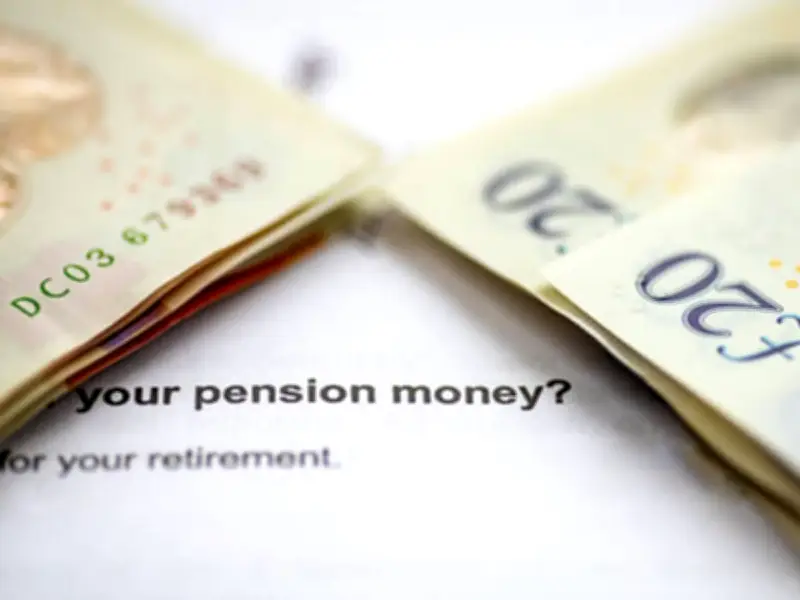
The Department for Work and Pensions (DWP) could reduce state pensions for self-employed workers by thousands of pounds due to gaps in their National Insurance (NI) records. People who became self-employed between 2015 and 2024 may have incorrect gaps in their NI record that could reduce their state pension by 'thousands', according to warnings from experts.
Scale of the issue
HM Revenue & Customs (HMRC) estimates that 800,000 people have been affected, with 160,000 of those already at or within two years of state pension age. Under DWP rules, you usually need at least 35 qualifying NI years on your record to get the full new state pension rate.
When self-employed, you can get NI years through Class 2 NI contributions. If your profits are below £7,105 a year, you can choose to pay voluntary contributions to avoid gaps. If profits are £7,105 or more a year, you get Class 2 contributions for free.

Root cause of the errors
Prior to 2024, workers also had to pay mandatory Class 2 contributions if profits were above a certain level (£12,570 for the 2023/24 tax year, the last one in which they were due). The error dates back to 2015, when self-employed workers were forced to sign up for self-assessment and notify HMRC using a CWF1 form under a rule change. Those who didn't may not have paid the correct amount of Class 2 NI contributions, risking gaps, according to Money Saving Expert, the site founded by Martin Lewis.
HMRC says the issue arose because the CWF1 form was needed 'for Class 2 to be assessed and collected correctly'. Jamie Dunlop of Gibsons Financial Ltd raised concerns about self-employed clients earning above the small profits threshold whose non-voluntary class 2 payments had also been refunded.
Expert warnings
Dunlop told PTP: 'In our practice, we have numerous clients who are well above the threshold and are therefore required to pay class 2, but after viewing the NI records we have identified most of these clients have un-qualifying years as HMRC have refunded the class 2, and the client just doesn’t realise what it’s for. It appears that HMRC have not got some of these self-employed individuals down as self-employed on their systems and therefore they are not required to pay class 2 according to HMRC. I note some of these clients have been self-employed for almost 20 years, and we are only just finding out the missed years on their records.'